What Are Implant Retained Dentures?
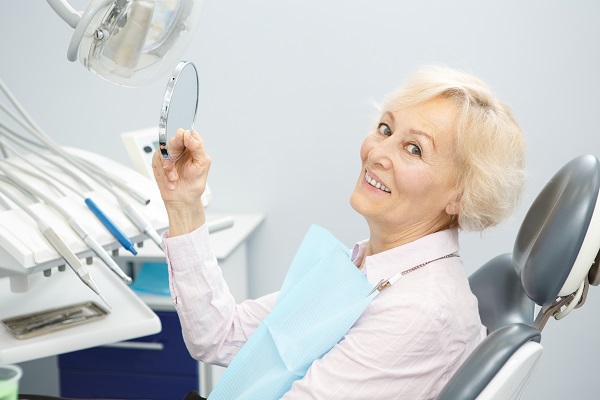
A traditional solution for missing teeth is unsecured dentures. But these can be inconvenient, awkward, or painful. These dentures can make it harder for you to enjoy your favorite foods. The good news is that implant retained dentures may be a solution for you.
What are implant supported dentures?
These are false teeth that are supported by implants instead of the gums. There are many solutions available to improve the quality of life of patients. These can enable good chewing while increasing comfort.
Benefits of implant supported dentures
People who have suffered from many dental issues might need to consider getting dentures. Even though traditional dentures have been popular, implants are now gaining popularity. With implant supported dentures, patients no longer have to worry about the impact on bone structure.
With traditional dentures, there is nothing to stop bone loss in the jaw. That can impact the facial appearance of patients. It also tends to make them look older. But with implant supported dentures, patients no longer have to worry about bone loss. The implants will stimulate the bone every time the patient eats or speaks.
The procedure
First, the dentist will make an incision in the gums to place the implants. Once this has been placed, the dentist can sew the incision. A temporary denture may be put on, so it does not put pressure on the implants. There will be a second procedure about five to six months later on. The waiting period will allow the implants and the bone to fuse together. This is known as osseointegration.
Next, the implant will be ready for the next procedure. The dentist will use an X-ray to see if the bone has fused to the implants yet. A small incision will be made to expose the implants. Then the dentist can place a round bit of metal, or healing cap, on the head of the implants. This will be used to hold the gums away from the head of the implant. It will need to stay there for about 10 to 14 days until the area has healed.
Then, the temporary denture might be adjusted. After about two weeks the healing caps will be replaced with abutments. The gums would have healed by this point. This allows the dentist to take an impression of the gum tissue. Then a model will be made to create a permanent denture.
About five to seven months after the initial step, the patient can try on the final dentures. The dentist might make some small adjustments to the dentures. That will allow the bite to meet properly. Then the false teeth will be finalized.
Visit a dentist today for implant supported dentures
When it comes to your smile, you need to make the right choice. For many people, implant supported dentures are the way to go. You can avoid experiencing sore areas or pressure points with this kind of denture. Making an appointment today will allow you to learn more about the process.
Request an appointment here: https://adcroundrock.com or call Round Rock Dental Office at (512) 720-5868 for an appointment in our Round Rock office.
Check out what others are saying about our services on Yelp: Read our Yelp reviews.
Recent Posts
Getting a wisdom tooth removed can leave you with plenty of questions during the days that follow. Your jaw feels sore, chewing isn't as easy as usual, and your face may be a little swollen. Then, just when you think you've figured out what to expect, you notice an ache around your ear.It can be…
Finding a tooth that has suddenly turned dark can be a little frightening. You may look in the mirror and wonder what happened, especially if the tooth doesn't hurt at all. It is tempting to think that no pain means there is nothing to worry about. Unfortunately, teeth don't always work that way.A change in…
Going to the dentist can be stressful, especially if you already deal with dental anxiety. For someone with high blood pressure, that stress can bring up another concern: Is sedation dentistry safe?The good news is that sedation dentistry for high blood pressure patients may be an option in many cases. However, the answer depends on…
Thinking about veneers can be exciting. You may be imagining a brighter, more even smile and finally fixing the small imperfections that have bothered you for years. Then you hear about teeth shaving for veneers, and suddenly, you have questions.Will your natural teeth be damaged? How much enamel has to be removed? Is shaving always…