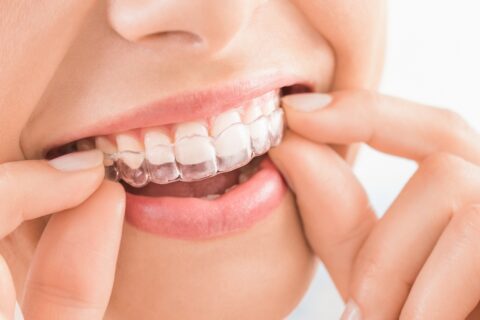
How Often Do I Need to Remove My Invisalign Aligners?
Invisalign has transformed orthodontic treatment, offering a clear and comfortable way to straighten teeth. For many, Invisalign aligners are a convenient alternative to traditional braces, as they are nearly invisible and can be removed. However, to achieve the best results, you need to understand how often you should remove these teeth aligner trays.
Keep reading this blog post to maintain wear time for Invisalign in Round Rock. Get insights into the timings when you can remove the aligners.
Why Invisalign Aligners Are Best For Straightening Teeth?
Invisalign aligners work by gradually shifting teeth into their ideal position using a series of custom trays. Unlike traditional braces, Invisalign is clear and can be taken out, making it a popular choice for adults and teens. This flexibility allows you to eat and clean your teeth with ease, something braces cannot offer. However, consistent wear is essential for the orthodontic treatment to work as intended.
Ideal Wear Time for Invisalign Aligners
For Invisalign aligners to be effective, they should be worn for 20 to 22 hours per day. This wear time allows the aligners to apply the necessary pressure to move teeth gradually. Removing them too often or for too long can extend the treatment timeline and compromise results.
Most Invisalign patients only remove their aligners for two main activities: eating and oral hygiene. Here’s a look at how to time your day to ensure you’re meeting the recommended wear time.
Removing Aligners for Eating
Invisalign aligners must be removed before eating. Food particles can get trapped in them, leading to staining or potential damage. Eating with them in place can also reduce their fit over time.
1. Average Time for Meals:
Most people eat three main meals a day, averaging 15 to 30 minutes per meal. Removing aligners for 1.5 hours a day to eat leaves plenty of time to meet the recommended wear time.
2. Snacking Considerations:
Frequent snacking can add up, so it’s best to limit snack breaks. Try combining snacks with meals to reduce the time you’re without aligners.
Removing Invisalign for Oral Hygiene
Practicing good oral hygiene is essential, especially with Invisalign. Brushing after each meal helps maintain clean teeth and prevents staining or odor buildup.
1. Brushing After Meals:
Aligners should be removed for brushing and flossing after each meal. Most people spend about two to three minutes on brushing. Including flossing, oral hygiene routines typically last around five to seven minutes.
2. Nighttime Routine:
At night, the oral hygiene routine may take a bit longer, around ten minutes. Adding this to daily hygiene time still allows you to meet the 20 to 22-hour wear goal.
Occasional Short Breaks from Aligners
Special occasions, such as weddings or important presentations, may make you consider taking a short break from wearing aligners. If it’s a brief event, such as a dinner or a photo session, taking a one-hour break won’t disrupt the treatment significantly. However, it’s essential to keep these breaks rare and short.
What Happens if You Don’t Wear Invisalign Enough?
When aligners aren’t worn consistently, the treatment may not progress as planned. Your teeth need constant pressure to shift correctly, and gaps in wear time reduce that pressure. This can lead to:
Extended Treatment Time: Not wearing aligners as directed often lengthens the total treatment time.
Poor Fit of Aligners: New aligners may not fit well if previous trays weren’t worn enough, causing discomfort and delays.
If you miss a few hours one day, try to make up for it by extending the wait time the next day. But remember, maintaining the 20 to 22-hour guideline is crucial for best results.
Tips for Maintaining Wear Time
Plan Around Meals:
Try to limit aligner removal to main meals only. This minimizes unnecessary wear interruptions.
Set Reminders:
Use your phone to remind you to put aligners back in after meals or brushing. Small alarms can help you stay on track.
Store Aligners Safely:
Always use the case provided when removing aligners. Keeping them in a safe place prevents accidental loss or damage, which could disrupt wear time.
Brush on the Go:
Carry a travel toothbrush and toothpaste to ensure you can quickly clean your teeth and put your aligners back in when you’re out.
Importance of Consistent Wear
Consistent wear is the key to Invisalign's success. Unlike braces, which are fixed to teeth, Invisalign aligners need your active participation. Maintaining wear time for less than 20 hours a day can slow or halt progress. However, wearing aligners consistently lets the treatment work as designed, ensuring optimal teeth straightening results.
Understanding Invisalign Progression
Invisalign treatment is broken down into stages, with new aligners introduced every one to two weeks. Each set gradually adjusts your teeth, building on the progress of the previous trays. If aligners aren’t worn as directed, the next set may not fit correctly, requiring additional aligners and slowing down results.
Invisalign in Round Rock offers a flexible, effective way to straighten teeth, but it requires dedication. To achieve the best results, wear your aligners for 20 to 22 hours daily and only remove them for meals and oral hygiene. Remember, small efforts, like limiting snack breaks and setting reminders, can make sticking to this schedule easier.
Are you seeking a quick and comfortable way to get a straight smile? Visit Advanced Dental Care of Round Rock to explore Invisalign treatment.