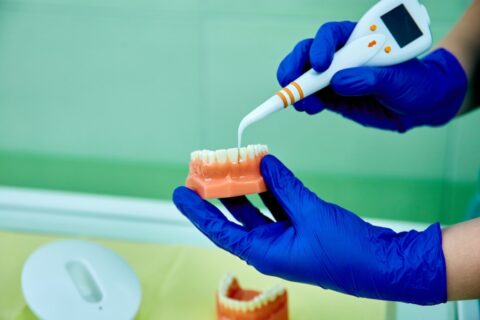
How Dentures Can Prevent Oral Health Complications
Oral health is vital for overall well-being, and maintaining a healthy mouth can prevent many complications. One of the most significant issues that can affect oral health is tooth loss. Whether due to aging, trauma, or disease, missing teeth can lead to a cascade of problems, from difficulty chewing to shifts in facial structure. Fortunately, dentures, including partial dentures, can help restore function and appearance, offering numerous benefits in preventing further oral health issues. In this article, we will explore how dentures can prevent these complications and improve your quality of life.
The Importance of Replacing Missing Teeth
When teeth are lost, they leave gaps in the mouth that can affect both function and aesthetics. The impact of missing teeth goes beyond just cosmetic concerns. Without the support of a full set of teeth, your remaining teeth may begin to shift out of place. This can cause problems such as misalignment, difficulty chewing, and changes to the bite.
Additionally, missing teeth can lead to bone loss in the jaw. The jawbone relies on stimulation from teeth to maintain its density. Without this stimulation, the bone can begin to shrink, leading to further tooth loss and changes in facial appearance. Replacing missing teeth with dentures helps maintain the integrity of the jawbone, preventing these issues from worsening.
How Dentures Help Prevent Oral Health Issues
Restoring Proper Functionality
One of the most significant benefits of dentures is their ability to restore the functionality of your teeth. Whether you have full or partial dentures, they help you chew and speak normally again. This can improve your overall health by making it easier to eat a balanced diet, including healthy fruits, vegetables, and whole grains.
Maintaining Facial Structure
A common side effect of missing teeth is a sagging or sunken appearance of the face. This happens because the jawbone starts to shrink when it no longer has teeth to support it. Dentures fill the gaps left by missing teeth, helping to restore the natural contour of your face and preventing the sunken look that often accompanies tooth loss.
Preventing Further Tooth Shifting
When a tooth is lost, the surrounding teeth are left unsupported and can start to drift toward the gap. This shifting of teeth can cause misalignment, bite problems, and difficulty with speaking and eating. Dentures, especially partial dentures, help keep the remaining teeth in place, preventing this unnecessary shifting and ensuring that your bite remains aligned.
Types of Dentures and Their Role in Oral Health
There are two main types of dentures: full dentures and partial dentures. Both offer unique benefits, depending on your needs.
Full Dentures: A Complete Solution
Full dentures are designed for individuals who have lost all of their teeth in either the upper or lower jaw. These dentures are custom-made to fit comfortably and securely in the mouth. Full dentures help restore the full functionality of the mouth, allowing you to chew, speak, and smile confidently.
In addition to their functional benefits, full dentures also help prevent bone loss and facial sagging, which can occur when all the teeth are missing.
Partial Dentures: Ideal for Preserving Remaining Teeth
Partial dentures are used when you still have some natural teeth remaining. They fill in the gaps caused by missing teeth and help prevent the surrounding teeth from shifting. Partial dentures are designed to blend seamlessly with your natural teeth, providing both functionality and aesthetic appeal.
Partial dentures can be a great solution for patients who don’t require full dentures but still need to address missing teeth. They are less invasive than dental implants, offering a more affordable alternative while still preventing the oral health complications associated with tooth loss.
Oral Hygiene Tips for Denture Wearers
While dentures can significantly improve oral health, it is essential to maintain proper hygiene to ensure their longevity and effectiveness. Here are a few tips for denture care:
- Clean Your Dentures Regularly: Use a denture brush and mild soap or denture cleaner to remove food particles and plaque. Avoid using regular toothpaste, as it can be abrasive and damage the surface of your dentures.
- Soak Your Dentures: When you’re not wearing your dentures, soak them in water or a special cleaning solution to prevent them from drying out and losing their shape.
- Brush Your Gums and Remaining Teeth: If you still have natural teeth, it’s important to brush them regularly. Cleaning your gums and any remaining teeth is essential to prevent plaque buildup and maintain a healthy mouth.
- Visit Your Dentist Regularly: Regular check-ups are essential to ensure your dentures fit properly and that your oral health remains in top condition. A dentist can also monitor for any signs of complications, such as gum irritation or bone loss.
Dentures, whether full or partial, are a valuable solution for individuals with missing teeth. They not only restore the function of the mouth but also prevent further oral health complications, such as tooth shifting, bone loss, and changes in facial structure. If you’re experiencing tooth loss, consider consulting with a dentist to explore your options for dentures and how they can improve both your oral health and quality of life. At Advanced Dental Care of Round Rock, we specialize in creating personalized dentures that can help you smile confidently and maintain a healthy, functional mouth.