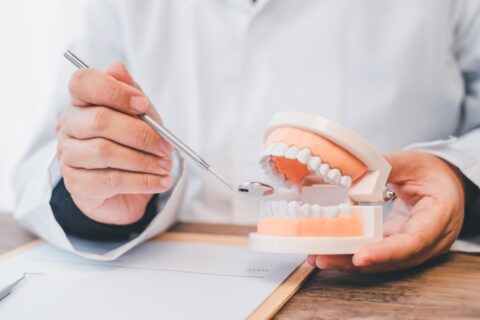
The Essential Guide to Caring for Your Dentures and Partial Dentures
When it comes to dentures and partial dentures, proper care is essential to ensure they remain in good condition, function effectively, and provide comfort for years to come. At Advanced Dental Care of Round Rock, we understand that adjusting to life with dentures or partial dentures can be a big change, and we’re here to guide you through the essential steps for keeping your dental appliances clean and well-maintained.
Why Proper Care for Dentures and Partial Dentures is Important
Dentures and partial dentures are significant investments in your oral health and quality of life. They help restore your ability to chew, speak, and smile confidently. Without proper care, however, they can become damaged or uncomfortable, and your oral health could be compromised.
By following the right cleaning and maintenance routine, you can keep your dentures and partial dentures in optimal condition, avoid unnecessary repairs, and enjoy a better quality of life.
How to Clean Your Dentures and Partial Dentures
Keeping your dentures and partial dentures clean is the cornerstone of maintaining their longevity and ensuring good oral hygiene.
1. Rinse After Meals
After eating, it's important to rinse your dentures or partial dentures with water to remove any food particles. This helps prevent food buildup and reduces the risk of plaque formation, which can lead to oral health problems.
2. Brush Daily
Even though dentures and partial dentures are not real teeth, they still need to be brushed daily to remove plaque and food debris. Use a soft-bristled brush and a non-abrasive denture cleaner. Avoid using regular toothpaste, as it can be too abrasive and cause surface damage over time.
3. Soak Your Dentures Overnight
When not in use, it's important to soak your dentures or partial dentures in a denture-cleaning solution or water overnight. Soaking helps to keep them moist, preventing them from drying out and losing their shape. If your dentures are made from acrylic, soaking can also help to prevent cracks and damage.
4. Clean Your Mouth and Gums
When you remove your dentures, it’s a good idea to clean your gums and the roof of your mouth with a soft toothbrush or gauze. This ensures that your mouth remains healthy, and it also helps to prevent irritation from your dentures.
How to Handle Denture Repairs and Maintenance
Despite regular cleaning, you might encounter issues such as loose dentures, broken clasps, or cracks. If this happens, it’s crucial to contact your dentist for professional repair.
1. Regular Checkups
Visit your dentist at Advanced Dental Care of Round Rock at least once a year to have your dentures or partial dentures examined. Over time, your mouth can change shape, which might cause your dentures to fit improperly. Regular adjustments can ensure a better fit and reduce the risk of discomfort or damage.
2. Never Attempt DIY Repairs
If your dentures become damaged, never attempt to fix them yourself using adhesives or other home remedies. These methods can cause further damage and may result in improper fit. Instead, visit your dentist, who will be able to provide professional repairs.
How to Care for Your Partial Dentures
Partial dentures are designed to replace one or more missing teeth while maintaining the natural structure of your remaining teeth. They require special care to ensure they stay in good shape and continue to function well.
1. Clean Your Partial Dentures Properly
Cleaning partial dentures can be a bit more complex since they are attached to your natural teeth. Always clean your partial dentures gently to avoid damaging the clasps or other components. Be sure to remove your partial dentures when you clean them, and use a soft brush and a mild denture cleaner.
2. Avoid Staining Foods and Beverages
While partial dentures are designed to mimic your natural teeth, they are still susceptible to staining. Limit your consumption of coffee, tea, and red wine, as these can stain both your partial dentures and natural teeth. If you do consume staining foods or drinks, rinse your mouth immediately afterward.
Storing Your Dentures and Partial Dentures When Not in Use
When not in use, dentures and partial dentures should be stored in a safe place. Always keep them in a container filled with water or a denture-cleaning solution to prevent them from drying out. This is especially important for acrylic dentures, which can lose their shape if allowed to dry.
Signs You Should Replace Your Dentures or Partial Dentures
While dentures and partial dentures can last for many years with proper care, there will come a time when they need to be replaced. Some signs that indicate you may need to replace your dentures or partial dentures include:
- Difficulty chewing or speaking comfortably
- Constant discomfort or irritation in the mouth
- Cracks or chips in the denture material
- Loose fit despite adjustments
- Difficulty keeping them in place during daily activities
If you experience any of these symptoms, it's important to contact your dentist as soon as possible.
Caring for your dentures or partial dentures is an ongoing process that ensures your oral health stays intact, and you continue to enjoy the benefits of a functional, beautiful smile. By following these essential care tips, you can keep your dentures or partial dentures in excellent condition for years to come.
If you have any questions about denture care or need an adjustment or replacement, don’t hesitate to reach out to Advanced Dental Care of Round Rock. Our expert team is here to provide you with personalized care and support to make sure you feel confident and comfortable with your dentures.