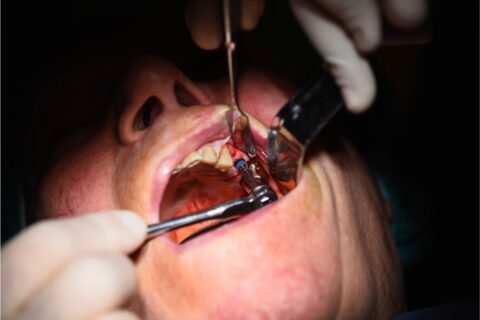
Remember that sigh of relief after your dental procedure? Now, you might be gazing at those tiny stitches and wondering – how long will they stay put? Dental stitches play a crucial role in healing after procedures like extractions or gum surgery. But let’s face it: the unknown dissolving timeline can cause some anxiety.
The good news? Most stitches are designed to support healing only for as long as necessary. This guide will walk you through the types of dental stitches, average dissolving timelines, factors that affect how long they last, and what to expect during recovery. By the end, you’ll feel more confident about the process and know when it’s time to call your dentist.
Types of Dental Stitches
Those tiny threads may look small, but they have a big job. Depending on the procedure, your dentist will use one of two main types of stitches:
Dissolvable Stitches
As the name suggests, these stitches are made to break down naturally in the body. They’re often made from biocompatible synthetic materials like polyglactin or nylon. Once your tissue heals, your body absorbs them, so there’s no need for a follow-up appointment to remove them.
Non-Dissolvable Stitches
These are made from stronger materials such as silk and require your dentist to remove them once healing reaches a certain stage. They’re typically chosen when extra stability is needed for proper recovery.
Your dentist decides which type to use based on the procedure, the tissue involved, and the amount of support your healing process requires.
Average Dissolving Timelines
Here’s a breakdown of how long common stitch materials usually take to dissolve:
Stitch Material
Average Dissolving Time
Polyglactin
7–10 days
Nylon
10–14 days
Vicryl
7–14 days
In general, dissolvable stitches disappear within 1–2 weeks. Polyglactin is most commonly used in gum tissues and dissolves a little faster, while nylon and Vicryl may take closer to two weeks.
For non-dissolvable stitches, your dentist will schedule an appointment to remove them at the right time—often 7–14 days after your procedure.
Factors Affecting How Long Stitches Take To Dissolve
Not every mouth heals at the same pace. Several key factors affect how quickly your stitches will dissolve:
Type of Procedure
Minor procedures such as gum sculpting may only require stitches that dissolve in under 10 days. Larger procedures, like extractions or gum grafts, may involve sturdier stitches that last longer.
Location of Stitches
Blood flow plays a role. Stitches in the gums typically dissolve faster (7–10 days), while those placed on the inner cheek or tongue may take longer due to slower healing rates.
Individual Healing Rate
Everyone’s body is different. Some people heal rapidly, while others may take more time, extending the dissolving timeline by a few days.
Oral Hygiene Habits
Gentle brushing, flossing, and saltwater rinses help keep the area clean and reduce bacterial buildup. This promotes smoother healing and may help stitches dissolve more predictably.
What To Expect While Stitches Dissolve
As your stitches begin to break down, you may notice:
Slight looseness or fraying of the stitches.
Minor discomfort when brushing or flossing.
Mild bleeding or swelling in the first few days.
These are normal parts of the healing process. However, if you notice unusual symptoms, such as worsening swelling, severe pain, or pus at the site, contact your dentist in Round Rock, TX immediately.
Caring for Dental Stitches
Here are some simple but effective ways to care for your stitches while they dissolve:
Gentle Brushing & Flossing: Use a soft-bristled toothbrush and avoid tugging near the stitches.
Saltwater Rinses: Mix half a teaspoon of salt in warm water and rinse gently a few times daily to reduce swelling and irritation.
Avoid Irritants: Skip smoking, alcohol, and strenuous activity for a few days. These can slow healing and irritate the area.
When To Call Your Dentist
Even though stitches are temporary, it’s important to watch for warning signs that might indicate a problem. Call your dentist if you experience:
Persistent Pain: Pain that worsens or doesn’t improve with medication.
Fever: Could be a sign of infection.
Pus or Severe Swelling: Any unusual discharge near stitches.
Following your dentist’s aftercare instructions carefully ensures a smoother, faster recovery.
Final Thoughts
Dental stitches are a vital step in the healing journey, and while waiting for them to dissolve can feel uncertain, the process is usually quick and uneventful. With proper oral care and guidance from your dentist in Round Rock, TX, you’ll be stitch-free and fully healed before you know it.
By keeping up with gentle hygiene, avoiding irritants, and contacting your dentist when something feels off, you set yourself up for a smooth recovery and a healthy smile.
Getting a wisdom tooth removed can leave you with plenty of questions during the days that follow. Your jaw feels sore, chewing isn't as easy as usual, and your face may be a little swollen. Then, just when you think you've figured out what to expect, you notice an ache around your ear.It can be…
Finding a tooth that has suddenly turned dark can be a little frightening. You may look in the mirror and wonder what happened, especially if the tooth doesn't hurt at all. It is tempting to think that no pain means there is nothing to worry about. Unfortunately, teeth don't always work that way.A change in…