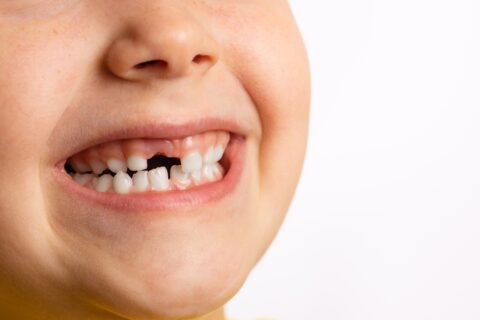
Does Your Child’s Permanent Tooth Still Grow If It’s Broken?
Accidents can happen in the blink of an eye—especially when kids are involved. A fall during playtime, a bump on the playground, or even biting into something hard can lead to a broken front tooth. As a parent, seeing your 7-year-old with a chipped or fractured permanent tooth can be alarming. But don’t panic—pediatric dentists deal with this type of injury often and can help restore both the tooth and your child’s smile.
Will the Tooth Grow Back?
Once a child’s permanent tooth erupts, it will not grow back if broken. Unlike baby teeth, permanent teeth are meant to last a lifetime. However, modern pediatric dentistry offers several treatment options to repair or restore the damaged tooth depending on the extent of the break. With timely dental care, the tooth’s function and appearance can often be restored beautifully.
What to Do Right After the Injury
- Stay calm and act quickly: Your child may be scared, so your calm reaction will help keep them reassured.
- Contact a pediatric dentist immediately: Schedule an emergency appointment as soon as possible. The sooner your child is seen, the better the chances of saving and restoring the tooth.
- Preserve the broken piece (if found): If you locate the fractured portion of the tooth, handle it carefully. Place it in a container of milk, saline solution, or your child’s saliva—never water. In some cases, the dentist can bond the fragment back to the tooth.
- Rinse gently: Have your child rinse their mouth with lukewarm water to remove any debris or blood. Avoid using alcohol-based mouthwashes.
- Manage pain and swelling: Apply a cold compress on the outside of the mouth or cheek to reduce swelling. You may also give an age-appropriate dose of ibuprofen or acetaminophen for pain relief.
Common Treatment Options
The treatment approach depends on the severity of the fracture and whether the tooth’s inner tissue (the pulp) is affected.
Dental Bonding
For small chips or minor breaks, dental bonding is often the preferred solution. The dentist applies a tooth-colored resin to the affected area and sculpts it to match the natural tooth. Once hardened with a special light, the result looks seamless and natural. Bonding is quick, non-invasive, and ideal for children with minor damage.
Dental Crowns
If a large portion of the tooth is missing, a dental crown may be necessary to restore strength and appearance. Crowns act as protective caps over the remaining tooth structure. Pediatric dentists often use materials such as zirconia or stainless steel for durability, especially for active children. Zirconia crowns, in particular, provide a more natural, tooth-like look.
Pulpectomy (Child Root Canal)
When a fracture extends deep enough to expose the tooth pulp, it can cause severe pain or infection. In such cases, a pulpectomy is performed to remove the damaged pulp tissue, disinfect the root canal, and seal it. This procedure prevents infection and allows the tooth to remain functional. Afterward, a crown is typically placed for added protection.
Reattachment of the Broken Fragment
If the broken piece is retrieved quickly and kept moist, the dentist may be able to reattach it using advanced bonding techniques. This method preserves the child’s natural tooth color and texture, offering the most realistic result.
Cosmetic and Emotional Considerations
A broken front tooth can affect your child’s confidence, especially as they begin to care more about their appearance. Our kid friendly dentists in Round Rock not only focus on restoring function but also on ensuring an aesthetically pleasing result. During your appointment, discuss your concerns openly—your dentist will explain the best options to achieve a natural look and a confident smile.
Aftercare and Protection
- Pain management: Your child may experience some discomfort after treatment. Use over-the-counter pain relievers as directed by your dentist.
- Dietary precautions: Encourage soft foods for a few days—such as yogurt, smoothies, and soups—to avoid pressure on the repaired tooth.
- Oral hygiene: Continue brushing twice daily with a soft-bristled toothbrush and fluoridated toothpaste.
- Follow-up visits: Regular checkups allow the dentist to monitor healing and ensure that the restored tooth remains healthy and strong.
- Preventive measures: If your child plays sports or enjoys active play, consider a custom-fitted mouthguard to prevent future dental injuries.
Comforting Your Child
Dental injuries can be emotionally distressing for kids. Talk to your child calmly and explain that the dentist will help fix their tooth and make it look and feel normal again. Most importantly, reassure them that it’s not their fault—accidents happen.
The Bottom Line
A broken permanent tooth won’t grow back, but with today’s advanced pediatric dental treatments, it can be fully restored in both form and function. Acting quickly, keeping the broken piece safe, and visiting your pediatric dentist right away are key to achieving the best outcome. With professional care and a little reassurance, your child can regain their confident smile in no time.