Are Dental Appliances Effective For Treating Sleep Apnea?
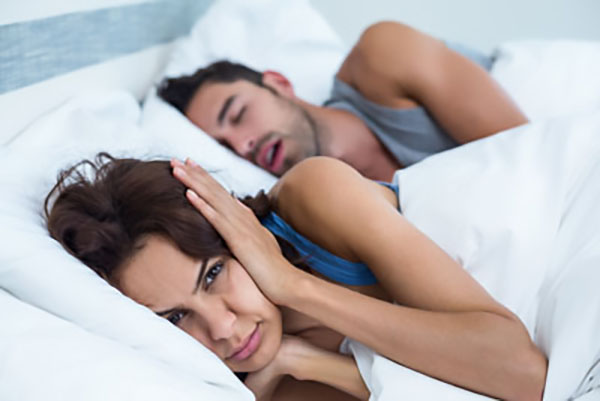
Sleep apnea is a sleep disorder that causes a person’s breathing to momentarily stop throughout the night, resulting in brief awakenings. For people with obstructive apnea, this cessation in breathing results from a blocked airway. In some cases, a dental appliance can keep the airway open, allowing the person to sleep without disruption.
How does a dental appliance work?
Dental oral appliances are worn at night while sleeping and serve the purpose of forcing the jaw and tongue into a position that helps keep the airway open. There are several different types of devices that patients can choose from. Some models are like retainers made from plastic or a more flexible material worn over the top and bottom teeth. Called mandibular advancement devices, this type of appliance moves the jaw forward. An alternative option is a tongue retaining device, which holds the patient’s tongue in either a plastic or silicone shell.
It is recommended that patients visit a dentist to have a dental appliance made. Unlike products purchased over the counter, devices provided by a dentist are custom-fitted to the patient’s mouth. This can increase comfort and effectiveness when worn on a consistent basis.
Who can benefit from using a dental appliance?
While some people find relief from apnea-related symptoms with a dental appliance, not everyone can benefit from this treatment option. There are several factors that determine if a person is a good candidate for this alternative therapy.
Apnea-hypopnea index
A dental oral appliance is only a suitable treatment option for people with mild or moderate obstructive sleep apnea. When a person is diagnosed with sleep apnea, a rating is given based on the apnea-hypopnea index. This scale takes into account how many apnea episodes a person experiences divided by the total number of hours of sleep. A person with an AHI of 30 or more is considered to have severe sleep apnea. For these individuals, a CPAP machine or other treatment is required to keep the airway open.
Jaw pain
For people with a temporomandibular joint disorder or sensitive jaws, an oral appliance may worsen symptoms. This issue is most present in people who use a mandibular advancement device as the forward jaw position can lead to general soreness and headaches.
CPAP machine success
If a person is having difficulties using a continuous positive airway pressure machine to address their sleep apnea, an oral device can be a more comfortable treatment option. CPAP machines make a noise when turned on, which can be disruptive for the person using the therapy and any sleeping partners. Some people also find wearing a full mask hard to adjust to, especially if it is causing any facial dryness or sores.
Conclusion
Speaking with a dentist is a good way to learn if using a dental appliance is right for you. If your sleep apnea is moderate and TMD is not an issue, an oral device can provide a comfortable solution that does not require the use of a noisy machine or intrusive mask.
Request an appointment here: https://adcroundrock.com or call Round Rock Dental Office at (512) 720-5868 for an appointment in our Round Rock office.
Check out what others are saying about our services on Yelp: Read our Yelp reviews.
Recent Posts
Having a tooth removed can leave you with several questions about what happens next. You might notice the stitches while eating, talking, or brushing your teeth and wonder when they will disappear. It is also common to feel concerned if the sutures begin to loosen before you expect them to. Fortunately, many stitches used after…
Recovering from dental bone graft surgery involves more than simply giving your mouth time to heal. Your body also needs the right nutrients to repair tissue, support bone regeneration, and protect the treated area while it recovers. Whether your procedure addresses bone loss caused by gum disease or prepares your jaw for dental implants, choosing…
A sore or swollen gum can make everyday things like eating, brushing, and flossing uncomfortable. When that happens, many people turn to a simple home remedy: warm water mixed with salt. It takes only a few seconds to prepare and does not require a trip to the store. But does this familiar remedy actually help…
A broken tooth can be more complicated than it looks. Sometimes, the visible portion of a damaged tooth breaks away while a piece of the root remains beneath the gumline. Because you may not be able to see the remaining fragment, it can be tempting to assume the problem is over. Unfortunately, leaving a broken…