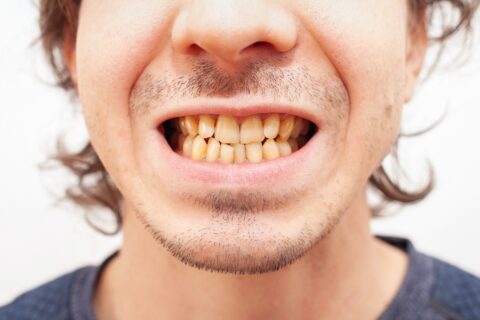
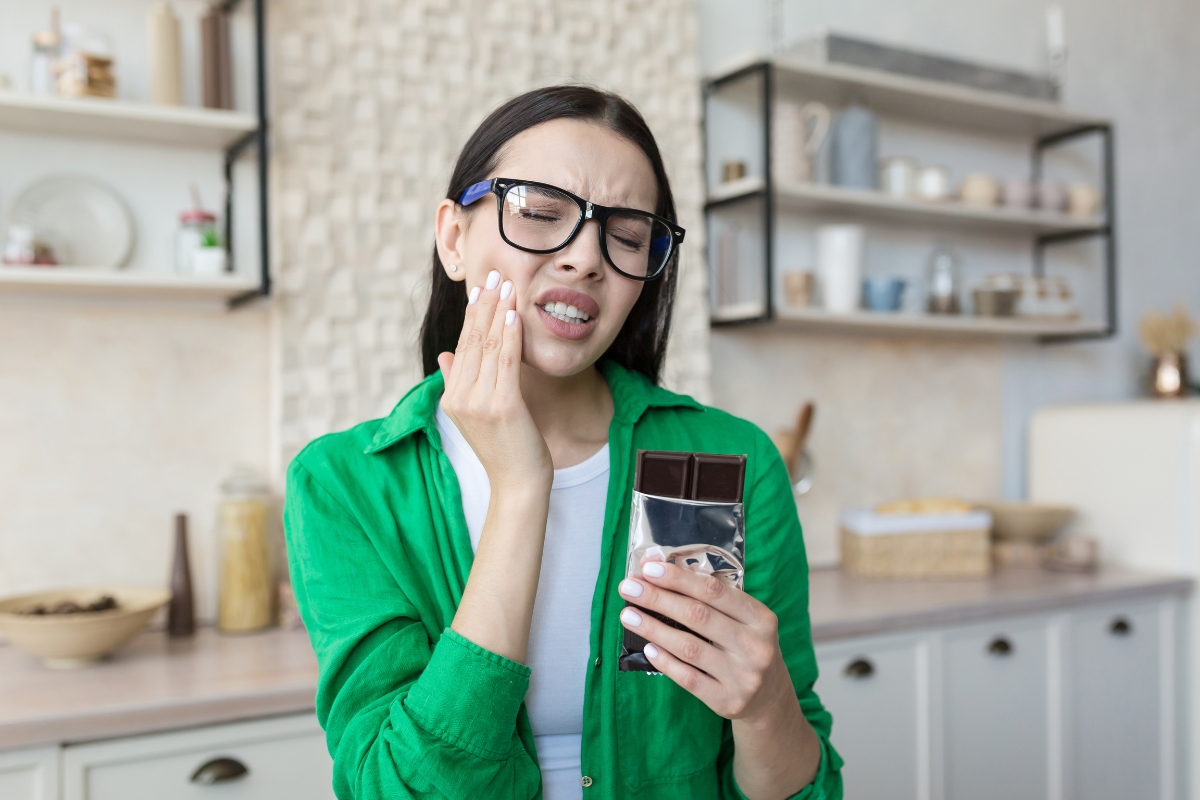
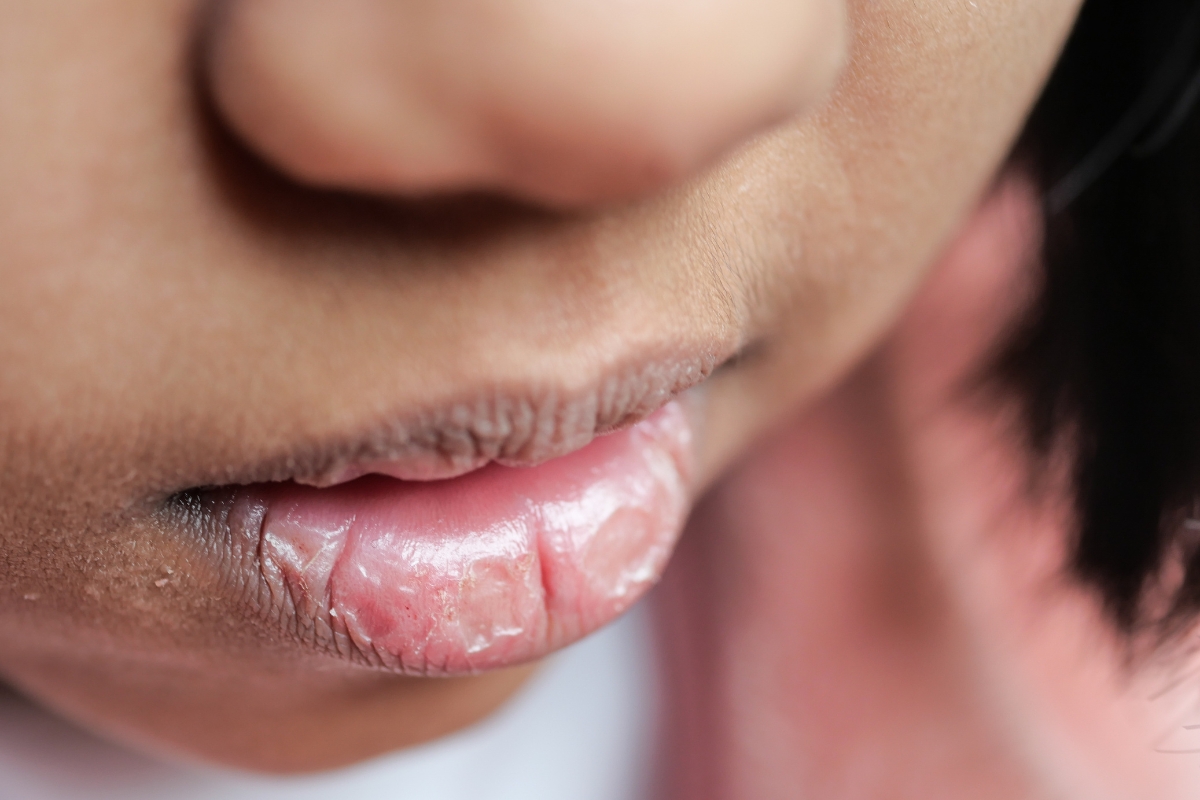
Many people wonder whether yellow teeth can ever return to a bright white shade, and the good news is—yes, they absolutely can. Tooth discoloration happens for different reasons, but with the right care, habits, and professional guidance, most types of yellowing can be improved or reversed. Whether discoloration comes from daily habits, aging, or deeper enamel issues, there are effective ways to restore a cleaner and brighter smile.
For those looking into professional options, teeth whitening Round Rock provides advanced solutions that can lighten stains far more effectively than DIY methods. While home care helps with surface stains, professional whitening targets discoloration more deeply and offers longer-lasting results.
Yellowing doesn’t happen overnight. It develops slowly through lifestyle choices, natural enamel thinning, or long-term exposure to staining substances. Understanding what causes yellow teeth can help you choose the right method to bring back your natural brightness.
Common Causes of Yellow Teeth
Poor Oral Hygiene
Skipping brushing or flossing allows plaque and tartar to sit on the teeth, trapping stains and leading to a dull, yellowish appearance.
Frequent Staining Foods and Drinks
Coffee, tea, red wine, sodas, and tobacco can leave pigments on the enamel, causing surface discoloration.
Natural Aging
As enamel wears down with age, the yellowish dentin underneath becomes more visible. This creates a darker or more yellow tone even if the teeth are clean.
Medications
Certain antibiotics and medications taken during tooth development can cause long-term intrinsic discoloration.
Genetic Factors or Health Conditions
Some individuals naturally have thinner enamel or conditions like enamel hypoplasia that lead to discoloration.
Do Home Remedies Really Work?
People often try natural remedies to brighten their smile. While some may help remove minor surface stains, they should be used with caution.
Below are common home methods:
Baking soda with hydrogen peroxide: A mild abrasive that can brighten teeth but should be used sparingly.
Oil pulling: Swishing coconut oil may support oral hygiene but is not a strong whitening method.
Strawberry paste: Contains malic acid, which may lift some stains but doesn’t whiten deeply.
Activated charcoal: Can remove surface stains but may be abrasive to enamel.
Diluted apple cider vinegar: Has natural whitening properties but can erode enamel if overused.
These methods may provide subtle results but are not a substitute for safe, dentist-approved treatments.
Professional Whitening Options That Work
After exploring home methods, many people look for stronger, predictable solutions. Seeing a dentist near you for whitening guidance ensures the safest and most effective approach. Here are the most reliable professional options:
In-Office Whitening
Dentists use high-strength whitening gels that offer noticeable improvement in a single session.
Take-Home Custom Whitening Trays
These trays are made to fit your teeth perfectly, offering even whitening and minimizing irritation.
Light- or Laser-Enhanced Whitening
Some dental offices offer light-assisted treatments to accelerate the whitening process.
Prescription Whitening Toothpaste
Dentists may recommend stronger formulas than those available over the counter.
Porcelain Veneers
For deep stains that do not respond to whitening, veneers provide a long-lasting and natural-looking white finish.
Preventing Future Yellowing Naturally
Keeping your teeth white long-term requires daily attention and healthy choices. Here are easy ways to maintain brightness:
Brush twice a day with fluoride toothpaste and floss daily.
Limit coffee, teas, sodas, and red wine—or rinse with water after drinking them.
Eat crunchy fruits and vegetables like apples and carrots to naturally scrub the teeth.
Stay hydrated to wash away acids and food particles.
Quit smoking to prevent stubborn stains and improve overall oral health.
Tips for Keeping Your Smile Bright
Maintain consistent oral hygiene habits.
Schedule routine cleanings so plaque and tartar don’t build up.
Use a straw for beverages that commonly stain teeth.
Avoid harsh DIY whitening treatments that can damage enamel.
Choose dentist-supervised whitening for safe, long-lasting results.
Frequently Asked Questions
Can yellow teeth return to white naturally?
Yes, surface stains can improve with good brushing habits, whitening toothpaste, and reduced intake of staining foods.
How effective is professional whitening compared to home remedies?
Professional whitening is stronger, safer, and produces faster results because dentists use higher-grade whitening agents.
How long does teeth whitening last?
Results can last several months to a few years, depending on eating habits, smoking, and oral hygiene.
Are yellow teeth always caused by stains?
Not always. Some discoloration happens inside the tooth (intrinsic staining), often requiring professional treatment or veneers.
Can sensitive teeth be whitened safely?
Yes, but it should be done under dental supervision to avoid irritation or enamel damage.
When should I consider veneers instead of whitening?
If your discoloration is due to genetics, aging dentin, or medication-related stains, veneers may give better long-term improvement.
Maintaining white teeth is all about consistency, smart lifestyle choices, and using safe whitening methods that fit your needs. If you're looking to brighten your smile and explore your best options, schedule an appointment today for personalized guidance and professional care.
Getting a root canal is often a huge relief for people dealing with constant tooth pain or infection. Once the procedure is over, most patients expect everything to feel normal again fairly quickly. But sometimes, when you bite down or chew, the treated tooth still feels sore or sensitive. If that sounds familiar, you are…
Dry mouth—often called Xerostomia—is something many people deal with at some point, but it can feel more disruptive than expected. When your mouth isn’t producing enough saliva, even simple things like talking, eating, or sleeping comfortably can become a challenge.Saliva quietly does a lot of work in the background. It keeps your mouth lubricated, helps…