Dissolving Dental Cement at Home: A Safe Guide
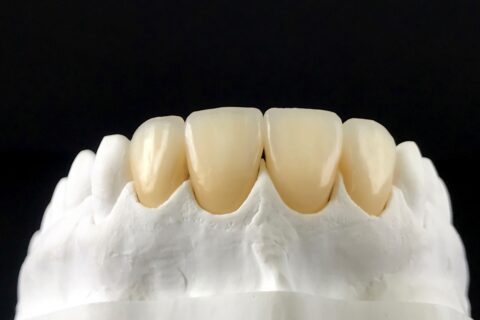
Dental cement plays a key role in modern dentistry, acting as a durable bonding material that secures crowns, bridges, inlays, onlays, and certain types of fillings to the natural tooth structure. It is designed to create a firm seal, protect the tooth beneath the restoration, and help the restoration function comfortably during everyday chewing and biting.
What Dental Cement Does — and Why It Matters
Dental cement comes in both temporary and permanent forms. Temporary cement is used for short-term restorations or trial placements, while permanent cement forms a strong, long-lasting bond meant to stay in place for years. When it is applied correctly, it supports the tooth, protects exposed surfaces, and helps prevent bacteria from entering the space beneath a restoration.
Why Some People Consider Removing Dental Cement at Home
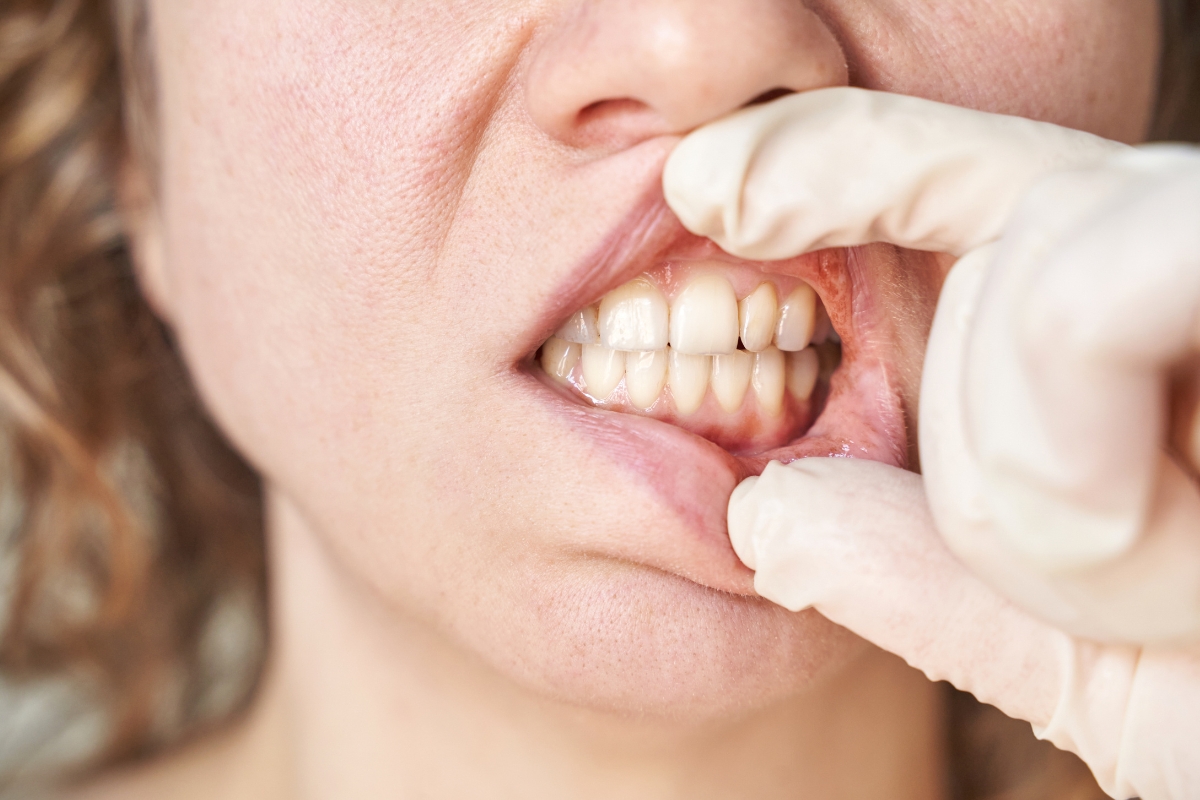
In rare situations, excess cement around the edges of a restoration may feel rough, cause irritation, or appear as a small hardened fragment near the gumline. When this happens, some people consider at-home methods to loosen residue. However, most concerns related to cement are best evaluated by a professional — and if you’re unsure whether the restoration is secure, a dentist Round Rock can assess the situation, check the fit of the crown or filling, and determine whether any removal or resealing is necessary.
Gentle Ways to Address Light, Loose Residue (Use Caution)
If the cement feels very loose around the edge of a restoration — not underneath or supporting it — certain gentle approaches may help clear small debris until you can see a professional:
- Warm saltwater rinses can help soothe the gum tissue and loosen surface particles.
- Careful dental flossing around the edges (without forcing or snapping) may remove tiny flakes of loose residue.
- If irritation persists or nothing loosens easily, avoid further attempts and arrange a dental evaluation.
These steps should never involve sharp tools, chemicals, or force. Permanent cement is intentionally strong, and aggressive attempts may damage the tooth or dislodge the restoration.
Risks of Trying to Remove Cement Yourself
Attempting to dissolve or scrape dental cement at home can carry serious risks. Too much pressure can crack the crown or chip the enamel, and disturbing the seal may expose the tooth to bacteria. In some cases, a restoration that seems “slightly loose” is actually failing — and removing cement without guidance can make the problem worse or lead to infection. Professional tools and techniques are designed to protect both the tooth and surrounding tissues while addressing the issue safely.
When Professional Care Is the Best Choice
You should contact a dental professional if you notice pain, swelling, gum irritation, visible gaps around a crown or filling, or a restoration that shifts when you bite. A dentist can determine whether the concern is excess cement, structural damage, or an underlying tooth problem and provide the appropriate treatment to restore comfort and stability.
Frequently Asked Questions
Can household products or chemicals dissolve dental cement?
No. Household chemicals such as acetone, solvents, or cleaning agents can damage restorations, irritate the gums, and weaken tooth enamel. Dental cement should only be adjusted or removed using professional tools.
What if a crown feels loose but doesn’t hurt?
Even without pain, a loose crown can expose the tooth to bacteria or decay. Avoid chewing on that side and contact a dentist for evaluation before attempting any home remedies.
Is it normal for a little cement to remain near the gumline?
Occasionally, tiny fragments may remain after a procedure, but they should not cause irritation or discomfort. If the area feels rough or inflamed, have it checked to ensure the surrounding tissue stays healthy.
Can loose cement cause sensitivity or discomfort?
Yes. When the seal weakens, temperature sensitivity, pressure discomfort, or gum irritation may occur. A dentist can reseal or replace the cement to restore protection.
How can I reduce the chances of cement problems in the future?
Maintain good oral hygiene, floss gently around restorations, and keep up with routine checkups. Regular visits allow your dental team to monitor the fit and condition of crowns and fillings over time.
If you’re experiencing irritation, looseness, or concerns related to dental cement, it’s best to have the area examined by a professional for safe and accurate care. Schedule an appointment today.