How Nail Biting Affects Your Teeth and Jaw Alignment
Skip to main content
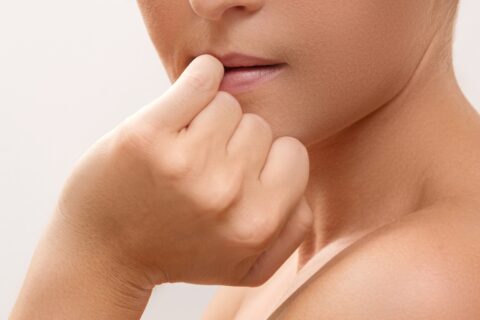
It usually starts without much thought. Maybe you’re focused on work, sitting in traffic, or feeling a bit anxious—and suddenly, you’re biting your nails again. For many people, it’s a lifelong habit that feels almost automatic.
But over time, this small, repetitive action can start to show up in ways you didn’t expect. What seems harmless on the surface can slowly affect your teeth, your bite, and even how your jaw feels day to day. Understanding how nail biting teeth damage develops can help you take control before it becomes a bigger concern.
What Really Happens When You Bite Your Nails
Your teeth are strong, but they’re not meant to handle constant pressure from hard surfaces like nails. When you bite repeatedly, you’re putting stress on your teeth in a way they weren’t designed for.
Small Chips That Add Up
You might not notice it right away, but nail biting can lead to tiny fractures along the edges of your teeth. Over time, these turn into visible chipped teeth, making your smile look uneven and worn down.
Enamel Doesn’t Grow Back
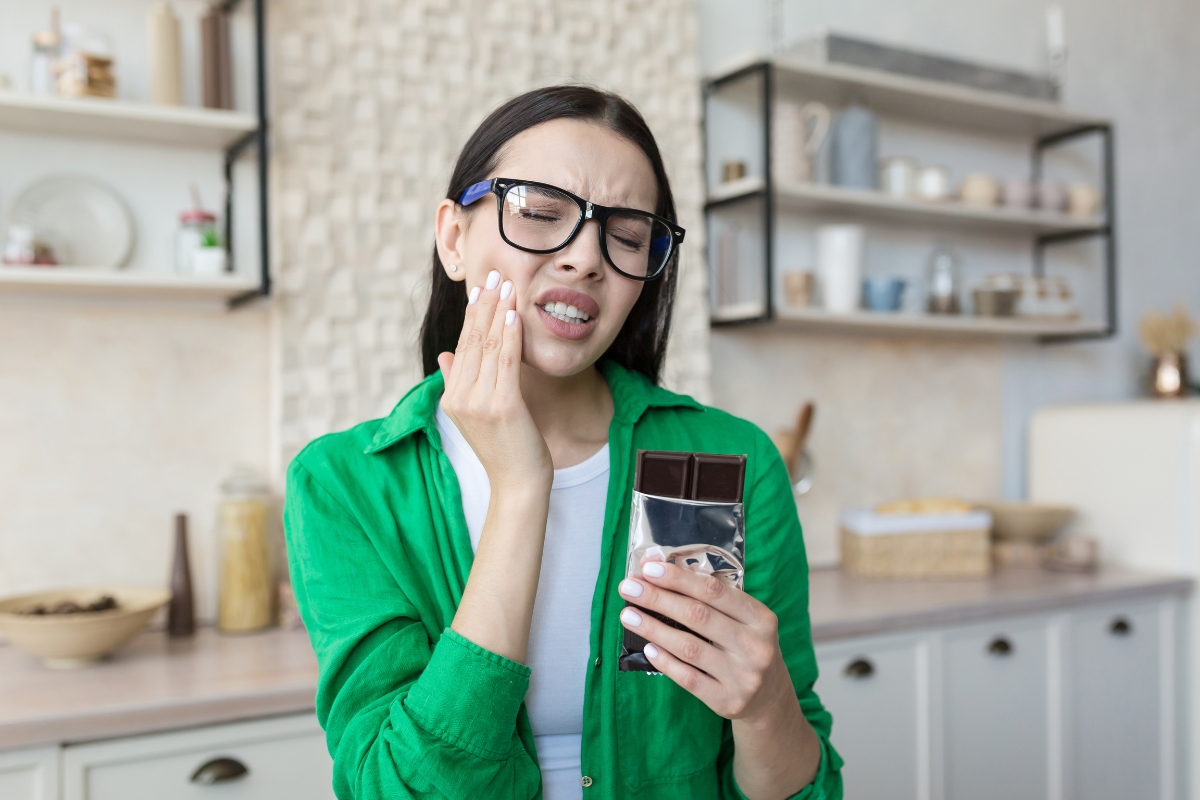
Each time you bite, you’re slowly wearing away enamel—the protective outer layer of your teeth. Once it’s gone, it doesn’t come back. That’s when sensitivity starts creeping in, especially with hot coffee or cold drinks.
Bacteria Transfer
Your hands come into contact with everything throughout the day. When your nails go into your mouth, bacteria follow. This can irritate your gums and increase your risk of oral health problems.
Nail Biting Teeth Damage Isn’t Just About Appearance
Many people think the effects are only cosmetic—but there’s more going on beneath the surface.
As the habit continues, nail biting teeth damage can begin to affect how your teeth function together. You may start to notice:
- Slight shifting in tooth position
- Uneven edges when you run your tongue across your teeth
- Increased sensitivity in certain spots
- Minor discomfort when biting down
These changes can be subtle at first, which is why they’re easy to ignore. During routine visits, a dentist Round Rock patients rely on often spots these early warning signs before they turn into bigger problems.
How Nail Biting Affects Your Jaw
This is where things get a bit more serious. Nail biting doesn’t just involve your teeth—it changes how your jaw moves.
Repetitive Jaw Stress
Unlike chewing, nail biting involves awkward angles and pressure. Over time, this creates jaw stress, especially if the habit happens frequently throughout the day.
Strain on the TMJ
Your temporomandibular joint (TMJ) helps your jaw open and close smoothly. When it’s overworked, you might start to notice:
- A tight or tired feeling in your jaw
- Clicking or popping sounds
- Occasional pain near your ears
Bite Changes Over Time
Even small shifts in your teeth can affect your bite. When your bite isn’t aligned properly, it can lead to uneven wear and discomfort when eating.
Why Oral Habits Matter More Than You Think
Nail biting falls into a category of behaviors known as oral habits. These include things like teeth grinding, chewing on pens, or even biting ice.
The common thread? Repetition.
It’s not about doing it once or twice—it’s the daily, often unconscious repetition that causes damage over time.
The American Dental Association highlights the importance of recognizing and managing habits like these as part of maintaining long-term oral health.
Signs Your Habit May Be Causing Damage
If you’re unsure whether nail biting is affecting you, here are a few things to watch for:
- Teeth that feel rough or uneven
- Sensitivity that wasn’t there before
- Jaw tightness, especially in the morning or evening
- Small visible chips
- Gums that feel irritated
These signs don’t always appear all at once—but even one or two can be worth paying attention to.
Habit Control: Practical Ways to Stop
Breaking a habit like nail biting takes time, but small changes can make a big difference.
Start With Awareness
The first step is simply noticing when you’re doing it. Once you’re aware, you can begin to interrupt the pattern.
Replace the Habit
Keep your hands busy—stress balls, pens, or even just clasping your hands together can help redirect the urge.
Keep Nails Short
Short nails are less tempting to bite and make the habit less satisfying.
Address Stress Triggers
For many people, nail biting is tied to stress or anxiety. Finding healthier outlets—like walking, breathing exercises, or short breaks—can help reduce the urge.
Talk to a Professional
If the habit feels hard to control, a dental visit can help you understand any early damage and explore ways to protect your teeth.
Patients often find that conversations with a dentist Round Rock residents trust bring clarity and practical solutions they hadn’t considered before.
A Quick Look at the Bigger Picture
Research suggests that nail biting is one of the most common oral habits, affecting a large portion of both children and adults. While not everyone experiences severe damage, the risk increases the longer the habit continues unchecked.
What’s encouraging is that early changes—like improving awareness and habit control—can significantly reduce long-term effects.
Life in Round Rock, TX: Why It Matters
In a place like Round Rock, TX, where life can get busy with work, family, and daily responsibilities, habits like nail biting often go unnoticed. They become part of the routine.
That’s why regular dental checkups matter. A dentist Round Rock patients see regularly can help catch small issues early—before they turn into something that needs more involved treatment.
Frequently Asked Questions
Is nail biting really that bad for your teeth?
Over time, yes. It can lead to chipped teeth, enamel wear, and even affect your bite.
Can it cause jaw pain?
It can. The repeated pressure and awkward movement can strain your jaw muscles and joints.
How can I tell if it’s already affecting me?
Look for signs like sensitivity, uneven teeth edges, or jaw discomfort.
Is the damage reversible?
Some issues, like chips, can be repaired. But enamel loss and alignment changes are better prevented early.
What’s the easiest way to stop?
Start by identifying triggers and replacing the habit with something less harmful.
Final Thoughts
Nail biting doesn’t usually feel like a big deal in the moment. But over time, it can quietly affect your teeth, your jaw, and your overall comfort.
The good news is that small, consistent changes can make a real difference. Paying attention to your oral habits today can help you avoid more complicated issues later on. If something doesn’t feel quite right, it may be a good time to schedule an appointment and get a closer look at what’s going on.