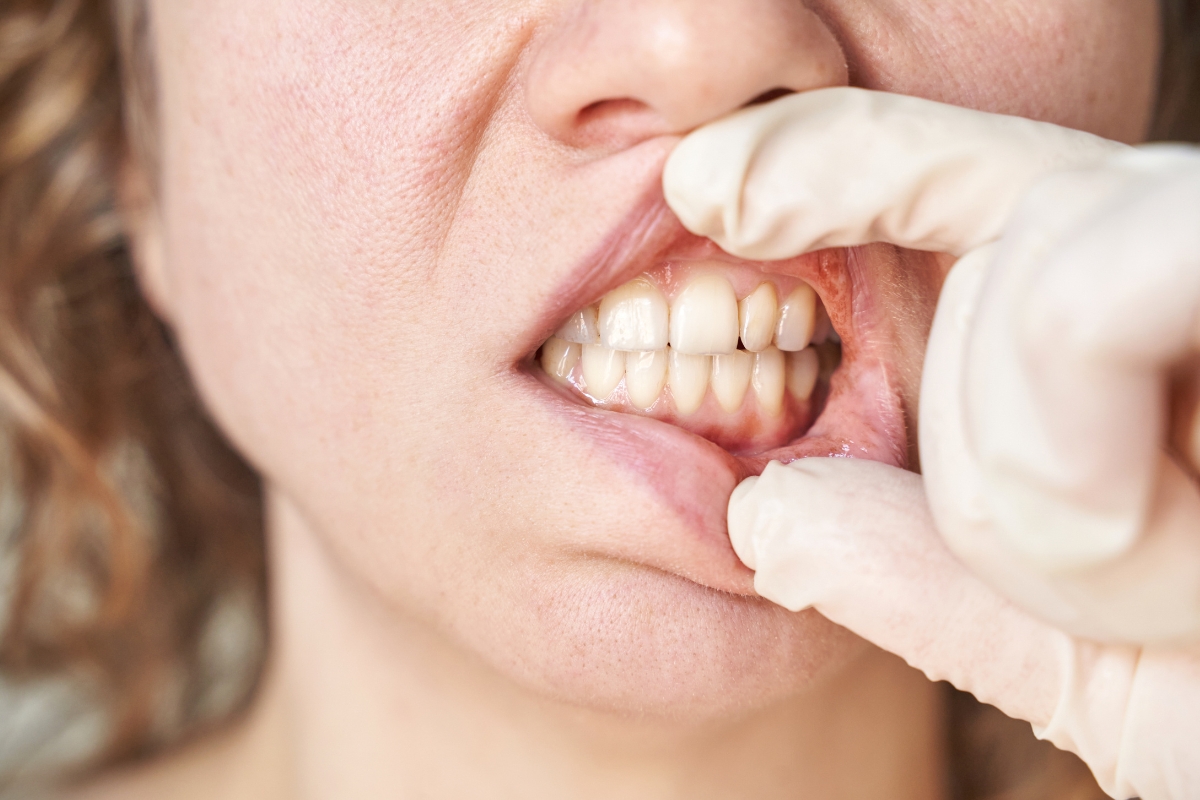
Wisdom teeth often make their appearance during the late teenage years or early twenties, and while some people never notice them, others experience discomfort almost immediately. One of the most common complaints linked to wisdom teeth is swelling in the surrounding gums. This swelling can make eating uncomfortable, cause jaw soreness, and sometimes signal an underlying infection that shouldn’t be ignored.
Swollen gums near a wisdom tooth usually develop because these molars don’t erupt the same way as other teeth. They may emerge partially, tilt at an angle, or remain trapped beneath the gums. When this happens, food debris and bacteria can easily collect around the tooth, irritating the gum tissue and triggering inflammation.
Why Do Gums Swell Around a Wisdom Tooth?
A frequent cause of swollen gums near a wisdom tooth is pericoronitis, a condition that occurs when bacteria become trapped beneath the gum flap covering a partially erupted tooth. This creates a breeding ground for infection, leading to redness, tenderness, and swelling. Symptoms may also include jaw pain, difficulty chewing, bad breath, or an unpleasant taste that doesn’t go away even after brushing.
If these symptoms linger or worsen, it’s important to seek professional care. A dentist in Round Rock can evaluate whether the swelling is due to mild irritation or a more serious infection that requires treatment to prevent further complications.
What You Can Do at Home to Reduce Discomfort
While home remedies won’t cure an infection, they can help manage symptoms temporarily until you receive dental care:
Warm saltwater rinses: Rinsing with warm saltwater two to three times a day can help reduce inflammation and flush out trapped debris.
Over-the-counter pain relief: Medications like ibuprofen or acetaminophen may help ease pain and swelling when used as directed.
Careful oral hygiene: Gently brushing and flossing around the wisdom tooth area can limit bacterial buildup. Take care not to irritate already inflamed gums.
These steps can provide short-term relief, but persistent swelling should always be evaluated by a dental professional.
Professional Treatment Options for Swollen Wisdom Tooth Gums
When you visit the dentist, treatment will depend on the severity of the condition and the position of the wisdom tooth. Common options include:
Thorough cleaning: Removing plaque, bacteria, and trapped food from around the tooth to reduce irritation.
Medication: Antibiotics may be prescribed if there is a significant infection.
Operculectomy: In some cases, the dentist may remove the small flap of gum tissue covering the tooth to make the area easier to clean.
Wisdom tooth removal: If swelling and infection keep returning or the tooth is impacted, extraction may be recommended for long-term relief.
Is Wisdom Tooth Removal Always Necessary?
Not every swollen wisdom tooth needs to be removed, but extraction is often advised when problems are recurring. Teeth that are misaligned or impacted are more likely to cause repeated infections, crowd nearby teeth, or damage surrounding gum tissue. Removing the tooth can prevent future discomfort and reduce the risk of more serious oral health issues.
Early evaluation is especially helpful, as wisdom teeth are generally easier to remove before the jawbone fully hardens with age. Your dentist can guide you through the decision based on your symptoms, dental X-rays, and overall oral health.
How Wisdom Teeth Can Affect Your Oral Health Long-Term
Problematic wisdom teeth don’t just cause short-term pain. When they erupt incorrectly, they can make proper cleaning difficult, increasing the risk of cavities and gum disease. In rare cases, impacted wisdom teeth may also lead to cysts or damage to nearby teeth. Addressing issues early can help protect your smile and prevent avoidable complications.
Frequently Asked Questions
How long does gum swelling around a wisdom tooth last?
Mild swelling may improve within a few days, but infection-related swelling can persist or worsen without professional treatment.
Can swollen gums around a wisdom tooth heal on their own?
Temporary irritation may settle, but infections like pericoronitis usually require dental care to fully resolve.
Is swollen gum tissue always a sign of infection?
Not always, but persistent redness, pain, bad breath, or discharge often indicate bacterial involvement.
Should I avoid eating on the swollen side?
Yes, chewing on the opposite side can help reduce irritation and discomfort until treatment is provided.
When should I see a dentist for swollen wisdom tooth gums?
If swelling lasts more than a few days, causes pain, or affects chewing or opening your mouth, a dental visit is strongly recommended.
Swollen gums near a wisdom tooth can be uncomfortable, but with timely care and the right treatment approach, relief is well within reach. If you’re dealing with ongoing pain or swelling, schedule an appointment with a trusted dentist in Round Rock to get a proper diagnosis and personalized treatment plan for a healthier, more comfortable smile.
Most people are surprised to learn that what happens in the kitchen can affect what happens in the dental chair. While enamel erosion is often blamed on soda, sports drinks, or sugary snacks, nutrition plays a much bigger role than many realize. The foods you eat provide the building blocks your teeth need to stay…
Coffee is part of many people’s daily routine. Whether it is your first cup in the morning or an afternoon pick-me-up, it can be hard to imagine the day without it. But while coffee helps you stay energized, it can slowly change the color of your teeth. Over time, dark pigments from coffee settle on…