Recovering From Getting Dental Implants
Skip to main content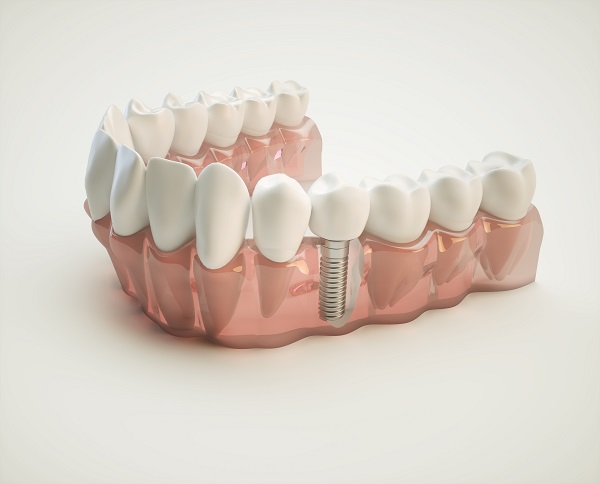
Dental implants are quite similar to real teeth. The implant goes right in the patient's jaw, and a crown is attached to its outer end. It is the only solution for missing teeth that replaces the lost roots and visible parts of teeth and preserves the wearer's bone tissue.
Recovering after the installation of dental implants
The installation of implants requires minor oral surgery, so patients should be healthy enough to recover from surgical procedures. The dentist will go over any health issues and/or substance abuse problems that the patient has before starting the treatment. Conditions like diabetes and habits like smoking can hinder a person's ability to heal.
During the procedure, a cut is made into the patient's gums so the jawbone can be reached. A hole is drilled into the bone, and the implant is pushed into the hole. The dentist finishes the procedure by stitching up any incisions.
Issues that patients might experience after getting dental implants include:
- Bruised gums and skin
- Pain coming from the surgical area
- Swelling of the face and gums
- Minor bleeding from the surgical site
The patient might be prescribed antibiotics or pain mediation after their implant surgery. Most of the problems listed above should subside in a few days.
Dentists recommend sticking to soft foods while the site of the surgery heals and the implant fuses with the bone tissue, holding it in place. The patient might have to go for a follow-up appointment to have any stitches removed if the dentist does not use self-dissolving ones.
Life after the dental implant installation
Implants have a 95% success rate, so most installations are successful. In rare cases, the implant might fail to fuse with the jawbone, leading to implant failure. Habits like smoking can increase the odds of this occurring.
When implants fail, the dentist will have to remove them, clean them and retry the installation in a few months. Patients can increase the odds of successful implant installation by:
Practicing good oral hygiene: Good oral hygiene minimizes the time that oral bacteria spend on teeth, reducing the odds of implant failure. A saltwater solution should be used to clean the mouth the first few days after the installation of implants to avoid aggravating the surgical site.
Visiting a dentist twice each year: Regular visits to a dentist gives them a chance to keep tabs on the implants. It also gives the dentist the opportunity to detect other dental issues that the patient might be dealing with.
Sticking to soft foods during the recovery period: Hard foods can cause the implant to move, leading to failure.
Replace missing teeth with implants
Dental implants are one of the options you should explore if you are missing one or more teeth. It is the closest thing you can get to the teeth you have lost. Call or visit our Round Rock clinic to learn more about how to recover after getting dental implants.
Let's get started …
Request an appointment here: https://adcroundrock.com or call Round Rock Dental Office at (512) 720-5868 for an appointment in our Round Rock office.
Check out what others are saying about our services on Yelp: Read our Yelp reviews.
Recent Posts
Getting a root canal is often a huge relief for people dealing with constant tooth pain or infection. Once the procedure is over, most patients expect everything to feel normal again fairly quickly. But sometimes, when you bite down or chew, the treated tooth still feels sore or sensitive. If that sounds familiar, you are…
Dry mouth—often called Xerostomia—is something many people deal with at some point, but it can feel more disruptive than expected. When your mouth isn’t producing enough saliva, even simple things like talking, eating, or sleeping comfortably can become a challenge.Saliva quietly does a lot of work in the background. It keeps your mouth lubricated, helps…
It’s easy to overlook a tiny space near your dental crown—until it starts causing problems. Maybe food keeps getting stuck, or your tooth suddenly feels more sensitive than usual. These small changes often point to a gap forming between the crown and your gum line, and it’s something worth addressing sooner rather than later.A dental…
Sparkling water has become a popular swap for sugary drinks. It feels refreshing, has that satisfying fizz, and often seems like a smarter choice than soda. But if you’re reaching for it every day, it’s reasonable to wonder—can too much sparkling water cause problems?The truth is, it’s generally safe. Still, like most things, how much…