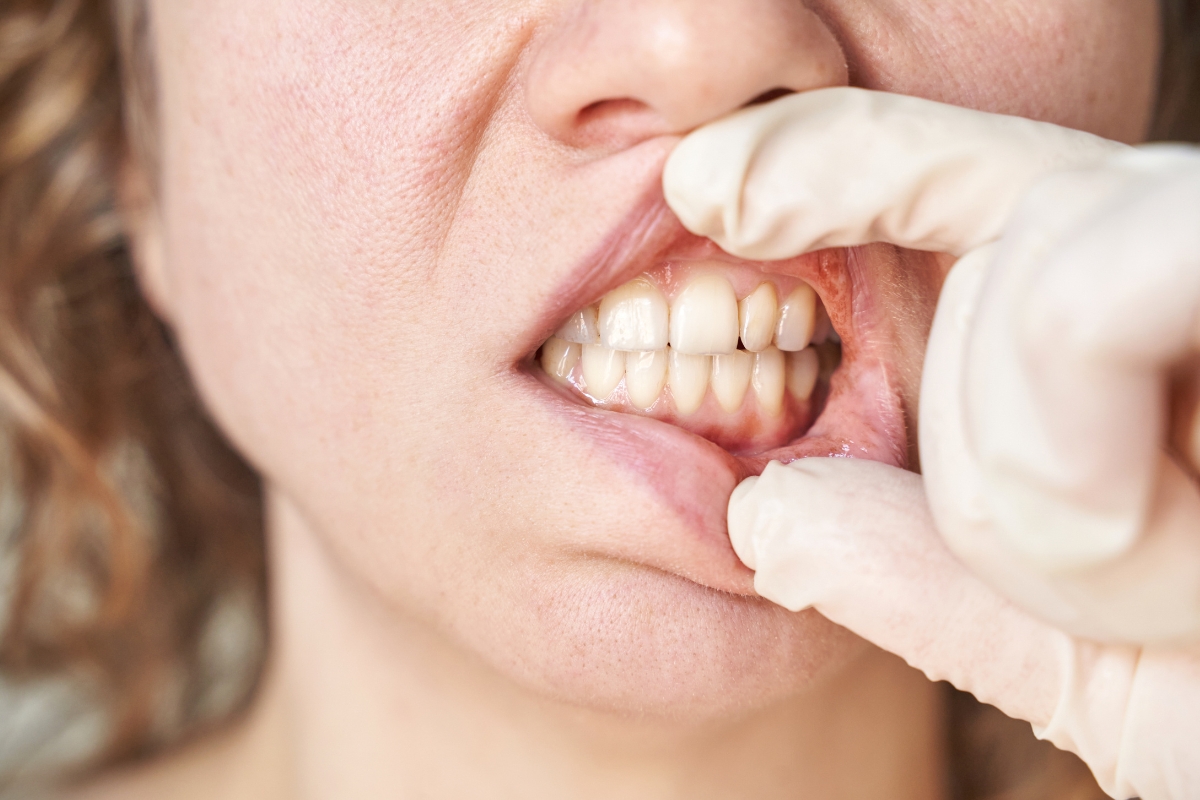
Waking up with sore or swollen gums can make even simple things—like eating or talking—feel uncomfortable. You may notice tenderness along the gumline, redness, or even bleeding when brushing. These symptoms can sometimes point to a gum infection.
Gum infections are more common than many people realize. They occur when harmful bacteria build up around the teeth and gums, leading to inflammation and irritation. While the discomfort may start out mild, ignoring the problem can allow the infection to worsen over time and affect your overall oral health.
The good news is that gum infections are treatable, especially when addressed early. Understanding the causes, treatment options, and when antibiotics may be needed can help you take the right steps toward healthier gums.
Why Treating Gum Infections Is Important
Your gums do more than frame your smile—they help support and protect your teeth. When bacteria begin to infect the gum tissue, the inflammation can gradually damage the structures that hold your teeth in place.
At first, the symptoms might only include redness or mild bleeding. But if the infection is ignored, it can develop into more serious gum disease and potentially lead to tooth loss.
Getting professional dental care early can prevent complications and relieve discomfort. If symptoms persist, a dentist Round Rock residents rely on can examine your gums, determine the cause of the infection, and recommend the most appropriate treatment.
Types of Gum Infections
Not all gum infections are the same. The severity can range from mild inflammation to advanced disease.
Gingivitis
Gingivitis is the earliest stage of gum disease. It happens when plaque builds up along the gumline and irritates the gum tissue. Symptoms often include:
Red or swollen gums
Bleeding when brushing or flossing
Tenderness along the gumline
The encouraging part is that gingivitis is usually reversible with proper oral hygiene and professional dental cleaning.
Periodontitis
If gingivitis is left untreated, it may develop into periodontitis. In this stage, the infection spreads deeper and begins to damage the tissues and bone supporting the teeth.
Gum pockets may form around the teeth, trapping bacteria and making the infection harder to control. Over time, untreated periodontitis can lead to loose teeth or tooth loss.
Gum Abscess
A gum abscess is a more severe infection that forms a pocket of pus in the gums. It often causes intense pain, swelling, and sometimes fever. Abscesses require prompt dental treatment to prevent the infection from spreading.
What Causes Gum Infections?
Gum infections typically develop when bacteria accumulate along the gumline. The most common cause is poor oral hygiene, which allows plaque to harden into tartar and irritate the gums.
However, several other factors may increase the risk of infection, including:
Smoking or tobacco use
Hormonal changes, such as pregnancy or menopause
Diabetes
Certain medications that reduce saliva production
A family history of gum disease
These factors can make gums more vulnerable to inflammation and bacterial growth.
Antibiotics Used to Treat Gum Infections
Dentists sometimes prescribe antibiotics when gum infections are severe or when bacteria have spread deeper into the tissues. Antibiotics help reduce the number of harmful bacteria and support the healing process.
Here are a few antibiotics commonly used in dental care.
Amoxicillin
Amoxicillin is one of the most frequently prescribed antibiotics for oral infections. It belongs to the penicillin family and works by stopping bacteria from growing.
Metronidazole
Metronidazole is particularly effective against certain bacteria associated with periodontal disease. Dentists often use it when treating infections involving deep gum pockets.
Doxycycline
Doxycycline helps control bacterial growth and can also reduce inflammation in the gum tissue. It may be used in cases of more advanced gum disease.
Clindamycin
Clindamycin is sometimes prescribed when patients are allergic to penicillin-based antibiotics or when other medications are not effective.
It’s important to remember that antibiotics are usually only one part of treatment. Dentists often combine them with procedures that remove plaque and bacteria from the gums.
How Dentists Decide Which Antibiotic to Use
There is no single antibiotic that works best for every gum infection. Dentists consider several factors before choosing the right medication.
These include:
The type of gum infection
How advanced the infection is
The bacteria involved
The patient’s medical history and possible allergies
Because of these factors, antibiotics should only be taken when prescribed by a dental professional.
Other Treatments for Gum Infections
In many cases, dentists use additional treatments alongside antibiotics to control the infection and protect the teeth.
Scaling and Root Planing
This deep-cleaning procedure removes plaque and tartar from below the gumline and smooths the tooth roots so the gums can heal and reattach.
Laser Gum Therapy
Some dental practices use lasers to remove infected tissue and bacteria while minimizing discomfort.
Surgical Treatment
In more advanced cases, minor surgical procedures may be necessary to clean infected areas or repair damaged gum tissue.
These treatments help eliminate infection and restore healthier gum tissue.
Simple Home Care That May Help
While professional treatment is essential, a few simple home practices may help reduce discomfort.
Rinsing with warm salt water can soothe inflamed gums.
Aloe vera gel may help calm irritated gum tissue.
Maintaining consistent brushing and flossing helps control bacteria.
These steps may support gum health, but they should never replace professional dental care.
Tips to Prevent Gum Infections
Preventing gum infections largely comes down to consistent oral care and healthy habits.
Helpful steps include:
Brushing twice a day with fluoride toothpaste
Flossing daily to remove plaque between teeth
Using antibacterial mouthwash if recommended
Limiting sugary foods and drinks
Avoiding tobacco products
Visiting your dentist regularly for checkups and cleanings
Regular dental visits allow early detection of gum problems before they develop into more serious conditions.
When to Seek Dental Care
Certain symptoms may indicate that a gum infection requires professional treatment. If you notice any of the following signs, it’s best to see a dentist promptly:
Persistent gum pain or swelling
Bleeding gums that do not improve
Bad breath that won’t go away
Loose teeth
Pus around the gums
A dental professional can identify the cause of the problem and recommend the most effective treatment plan.
Final Thoughts
Gum infections can start with mild irritation but may become more serious if left untreated. Antibiotics can help control bacterial infections when necessary, but they are usually part of a larger treatment approach that focuses on removing plaque and restoring gum health.
Maintaining good oral hygiene and seeking timely dental care are the best ways to protect your gums and prevent complications. If you are experiencing signs of a gum infection, consider visiting a dentist in Round Rock and schedule an appointment for a thorough evaluation and personalized treatment plan.
Frequently Asked Questions
What is the most common antibiotic for gum infections?
Amoxicillin is one of the most commonly prescribed antibiotics for gum infections. However, the specific medication depends on the type and severity of the infection.
Can gum infections heal without antibiotics?
Mild infections like gingivitis may improve with professional cleaning and better oral hygiene. More advanced infections may require antibiotics and additional dental treatment.
How long does it take for antibiotics to help a gum infection?
Many people start noticing improvement within two to three days after starting antibiotics, but it is important to finish the full course prescribed by the dentist.
Are gum infections serious?
They can become serious if left untreated. Advanced gum infections can damage the bone and tissues that support your teeth and may eventually lead to tooth loss.
When should I see a dentist for gum pain?
You should see a dentist if gum pain lasts more than a few days, if your gums bleed frequently, or if you notice swelling, pus, or persistent bad breath.
Most people are surprised to learn that what happens in the kitchen can affect what happens in the dental chair. While enamel erosion is often blamed on soda, sports drinks, or sugary snacks, nutrition plays a much bigger role than many realize. The foods you eat provide the building blocks your teeth need to stay…
Coffee is part of many people’s daily routine. Whether it is your first cup in the morning or an afternoon pick-me-up, it can be hard to imagine the day without it. But while coffee helps you stay energized, it can slowly change the color of your teeth. Over time, dark pigments from coffee settle on…