Can I Brush and Floss Normally with Dental Implants?
If you've recently received dental implants, you probably have one important question on your mind: Do I need to treat them differently from my natural teeth?
It's a reasonable concern. Dental implants are made to blend in with your smile, so it's easy to assume they don't need any special attention. The truth is, they're low-maintenance—but they're not maintenance-free.
A few simple daily habits can help your implants stay strong and your gums remain healthy for many years. The good news is that you won't have to learn an entirely new oral hygiene routine. Instead, it's about making small changes that protect the tissues supporting your implants.
Let's walk through what everyday care should really look like.
Your Implant Can’t Get a Cavity—But Your Gums Still Need Protection
One of the biggest advantages of dental implants is that they don't decay like natural teeth. Since they're made from durable materials such as titanium and ceramic, cavities aren't something you need to worry about.
However, that's only part of the story.
The gums and bone surrounding your implant are living tissues, and they can become irritated if plaque is allowed to collect. Over time, untreated inflammation may affect the stability of the implant itself.
That's why daily cleaning is just as important after getting implants as it was before.
Brushing Isn’t Different—Your Technique Is
You don't have to buy a cabinet full of expensive dental products after implant treatment.
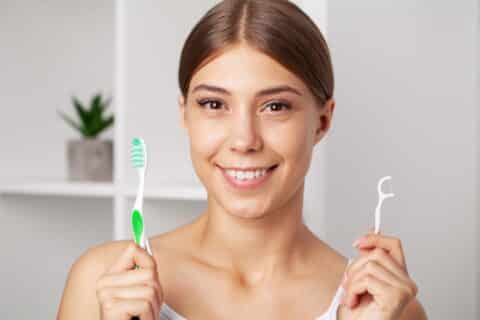
Most dentists simply recommend using a soft-bristled toothbrush that cleans effectively without being harsh on your gums. Whether you prefer a manual toothbrush or an electric one comes down to personal comfort.
Instead of brushing with force, focus on moving the brush gently around each tooth and implant. The goal isn't to scrub harder—it's to remove plaque without irritating the soft tissue.
Think of brushing as protecting your gums, not polishing your teeth.
Slow Down Instead of Brushing Harder
Many people rush through brushing without realizing it.
Spend about two minutes cleaning your entire mouth, making sure you reach the front, back, and chewing surfaces of every tooth. Don't forget to clean along the gumline, especially where the implant crown meets the gums.
Those areas often collect the most plaque, even when they look perfectly clean.
A little extra patience each morning and evening goes much further than brushing aggressively.
Flossing Becomes Even More Valuable After Implant Treatment
It's tempting to skip flossing when life gets busy, but this is one habit your implants will appreciate.
Your toothbrush simply can't reach the narrow spaces between teeth or beneath the contact points where food particles like to hide. If bacteria remain in these areas day after day, your gums may become swollen or tender.
Healthy gums are what keep your implant firmly supported, so flossing isn't just about fresh breath—it's about protecting your investment.
There’s More Than One Way to Clean Between Your Teeth
Not everyone enjoys traditional floss, and that's perfectly okay.
Today, there are several options that make cleaning around implants much easier. Water flossers have become a favorite because they rinse away debris with a steady stream of water. Soft interdental brushes also work well for larger spaces, while implant-specific floss is designed to glide comfortably around restorations.
The best choice is the one you'll actually use every day.
Consistency matters much more than choosing the "perfect" product.
Build a Routine You Can Stick With
A healthy smile isn't built in one day. It's the result of small habits repeated consistently.
Brush after breakfast and before bed. Floss once each day. Replace your toothbrush every few months, and don't ignore bleeding gums if they continue for several days.
If something doesn't feel right around your implant, don't wait for it to become painful before calling your dental office.
When patients visit a trusted dentist Round Rock, one of the most common pieces of advice they receive is surprisingly simple: develop a routine that's realistic enough to follow every single day. Long-term success with dental implants depends far more on consistency than perfection.
Your Dentist Still Plays an Important Role
Even people with excellent brushing habits can't remove hardened tartar once it forms.
Professional cleanings allow your dental team to remove buildup from areas that are difficult to reach at home while checking that your implant, surrounding gums, and bone remain healthy.
These routine visits can identify small concerns before they become expensive or uncomfortable problems.
Think of your checkups as preventive maintenance rather than problem-solving appointments.
Small Habits Lead to Long-Term Results
Dental implants are one of the closest replacements to natural teeth available today, but they still deserve daily attention.
The good news is that caring for them isn't complicated. A soft toothbrush, daily flossing, regular dental visits, and healthy lifestyle choices are usually all it takes to keep your smile looking and feeling its best.
At Advanced Dental Care of Round Rock, we enjoy helping patients understand how simple daily habits can protect their smiles long after treatment is complete. Whether you're new to implants or have had them for years, our team is always here to answer your questions and support your long-term oral health.
Schedule an appointment today and let us help you keep your smile healthy, confident, and built to last.
Frequently Asked Questions
Can I brush my dental implants on the day they’re placed?
Your dentist will provide specific instructions. In most cases, you'll need to avoid brushing directly over the surgical area for a short period while healing begins.
Is an electric toothbrush better for dental implants?
It can be. Many patients find electric toothbrushes easier to use because they provide consistent cleaning with minimal pressure.
Why do my gums bleed around an implant?
Bleeding gums often indicate plaque buildup or inflammation. If bleeding continues after improving your oral hygiene, schedule a dental evaluation.
Do I need special toothpaste for dental implants?
Most patients do well with a gentle, non-abrasive fluoride toothpaste. Your dentist may recommend a specific product based on your needs.
Can food get trapped around dental implants?
Yes. Food particles can collect around implants just as they do around natural teeth, making daily flossing an important part of your routine.
How long do dental implants usually last?
With excellent oral hygiene and regular professional care, many dental implants can last for decades.
Can I use mouthwash with dental implants?
Yes. An alcohol-free antimicrobial mouthwash may help reduce bacteria and support healthy gums.
What happens if I don’t floss around my implant?
Skipping flossing allows plaque to remain around the gums, increasing the risk of inflammation and peri-implant disease.
Are regular dental cleanings necessary if my implant feels fine?
Absolutely. Professional cleanings help remove hardened deposits and allow your dentist to monitor the health of your implant before problems develop.
What’s the best way to protect my dental implants long term?
Brush twice daily, floss every day, eat a balanced diet, avoid tobacco products, and keep your regular dental appointments.