Can Invisalign Fix Crowded Teeth Without Extraction?
If you've ever looked in the mirror and wished your teeth had a little more space, you're not alone. Crowded teeth are one of the most common orthodontic concerns among both teens and adults. Besides affecting your smile, crowded teeth can make brushing and flossing more difficult, allowing plaque and bacteria to hide in hard-to-reach places.
For years, many people believed that straightening crowded teeth meant wearing metal braces and possibly having healthy teeth removed. Fortunately, orthodontic care has evolved. Invisalign has become a popular treatment that offers a more comfortable and discreet way to improve your smile. But can it correct crowded teeth without extractions? In many situations, yes.
What Causes Teeth to Become Crowded?
Crowding happens when there isn't enough room in the jaw for every tooth to fit comfortably. As a result, teeth may overlap, twist, or shift out of position.
Several factors can contribute to this problem, including:
- Genetics and jaw size
- Baby teeth falling out too early or too late
- Impacted teeth
- Thumb sucking or prolonged pacifier use during childhood
- Natural tooth movement with age
No matter the cause, crowded teeth shouldn't be ignored because they can affect both your appearance and your oral health.
How Does Invisalign Work?
Unlike traditional braces that rely on brackets and wires, Invisalign uses a series of clear plastic aligners that are custom-made for your smile. Each aligner applies gentle pressure to gradually guide your teeth into healthier positions.
Your treatment begins with a digital scan instead of messy dental impressions. This technology allows your dentist to create a detailed treatment plan that maps every movement your teeth will make throughout the process.
You'll wear each set of aligners for about one to two weeks before switching to the next one. Since they're removable, you can continue enjoying your favorite foods and maintain your normal brushing and flossing routine with ease.
Can Invisalign Straighten Crowded Teeth Without Removing Teeth?
This is one of the biggest questions patients ask before beginning treatment.
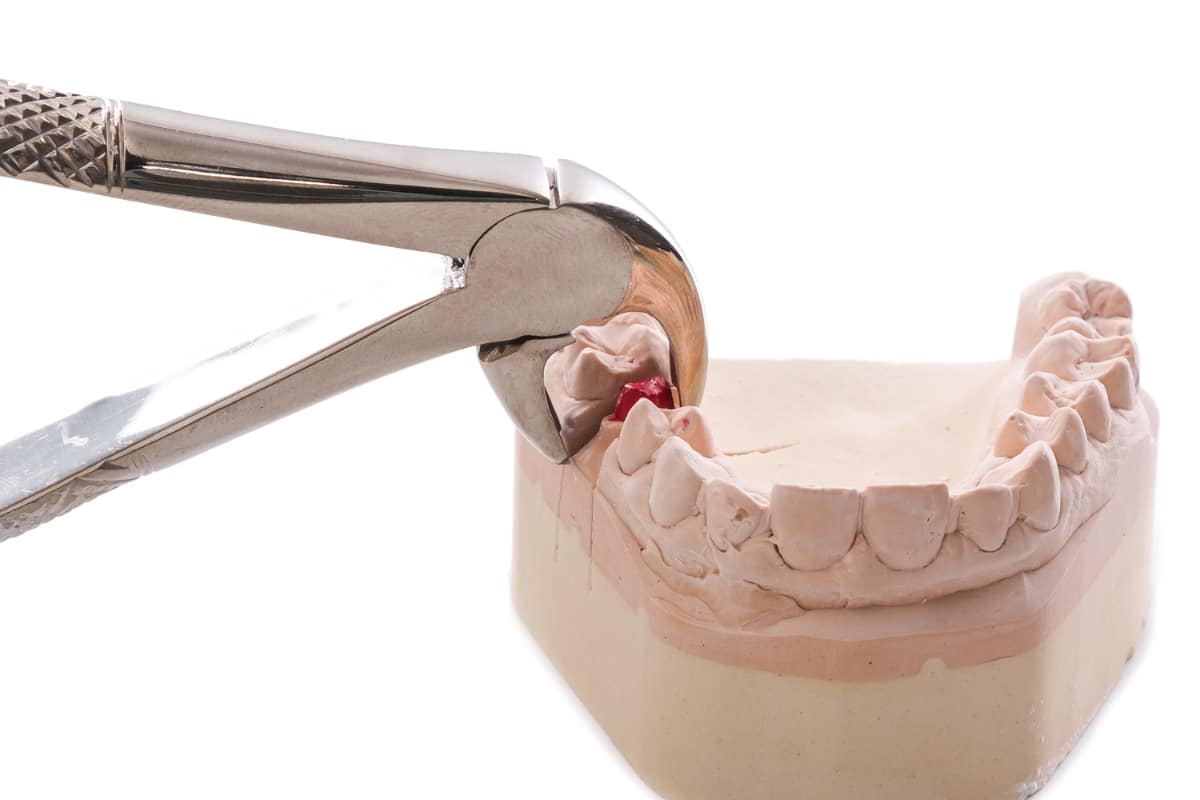
The good news is that many people with mild to moderate crowding can straighten their teeth without extractions. Rather than creating space by removing teeth, Invisalign often makes better use of the space already available.
By carefully controlling tooth movement, aligners can gradually reposition teeth into more balanced alignment. In many cases, this eliminates the need to remove healthy teeth altogether.
However, every smile is unique. If the crowding is severe or your jaw doesn't provide enough room, additional procedures—or in rare cases, tooth extraction—may still be recommended.
How Is Space Created During Treatment?
One reason Invisalign is so successful is that treatment planning is highly personalized.
Sometimes your dentist may recommend interproximal reduction (IPR), a conservative procedure that removes an extremely small amount of enamel between selected teeth. This creates just enough additional space for teeth to move naturally while preserving your overall smile.
Because only a tiny amount of enamel is reshaped, most patients experience little to no discomfort.
Why Many Patients Prefer Invisalign
People often choose Invisalign because it fits more comfortably into everyday life than traditional braces.
Nearly Invisible
The clear aligners are difficult to notice, making them a great choice for adults and professionals who want a more subtle orthodontic treatment.
Comfortable to Wear
Without metal brackets or wires rubbing against your mouth, Invisalign generally provides a smoother and more comfortable experience.
Easier to Keep Teeth Clean
Since you remove the aligners before brushing and flossing, maintaining good oral hygiene is much simpler throughout treatment.
Eat What You Love
There's no long list of foods to avoid. Simply remove your aligners before meals, enjoy your food, brush your teeth, and place the aligners back in.
Fewer Office Visits
Because there are no brackets to tighten, appointments are usually shorter and less frequent than traditional braces.
Who Is a Good Candidate?
Not every orthodontic case is exactly the same, but Invisalign is highly effective for many patients with mild or moderate crowding.
If you're considering treatment, visiting a dentist Round Rock, TX can help you understand your options. After examining your teeth, bite, and jaw alignment, your dentist can determine whether Invisalign is the most suitable solution or if another orthodontic treatment would deliver better results.
What Is Treatment Like?
Getting started with Invisalign is simple. After your consultation and digital scan, your custom aligners are created specifically for your smile.
To keep your treatment progressing as planned, you'll wear your aligners for approximately 20 to 22 hours each day. Every time you switch to a new set, you may notice gentle pressure for a day or two. This simply means the aligners are doing their job.
Routine checkups allow your dentist to monitor your progress and make sure your treatment stays on schedule.
Invisalign or Braces: Which Is Better?
Both treatments can successfully straighten teeth, but the right choice depends on your individual needs.
Traditional braces remain an excellent option for complex orthodontic cases involving significant bite problems or severe crowding. Invisalign, however, offers outstanding results for many patients while providing greater flexibility, comfort, and confidence during treatment.
A comprehensive evaluation is the best way to determine which treatment is right for your smile.
A Straighter Smile May Be Easier Than You Think
Crowded teeth don't automatically mean you'll need extractions or traditional braces. Thanks to modern orthodontic technology, Invisalign can successfully correct many cases of crowding while preserving your natural teeth.
The key is receiving an accurate diagnosis and a personalized treatment plan. At Advanced Dental Care of Round Rock, we carefully evaluate every patient's smile to recommend the most effective orthodontic solution based on their individual needs.
Schedule an appointment today and find out if Invisalign is the right choice for creating a healthier, straighter smile.
Frequently Asked Questions
Can Invisalign fix crowded teeth without pulling teeth?
Yes. Many patients with mild or moderate crowding can complete Invisalign treatment without tooth extraction. Your dentist will determine whether sufficient space exists to move your teeth safely.
How long does Invisalign take for crowded teeth?
Treatment typically lasts between 6 and 18 months, although the exact timeline depends on the complexity of your case and how consistently you wear your aligners.
Is Invisalign as effective as braces?
For many mild to moderate orthodontic cases, Invisalign delivers results comparable to traditional braces. More complicated cases may still benefit from braces.
Will Invisalign affect my speech?
Some people notice a slight lisp for the first few days, but most adjust quickly as they become accustomed to wearing the aligners.
Can I remove Invisalign whenever I want?
Yes, but aligners should be worn for 20 to 22 hours each day. Wearing them less than recommended can delay treatment and affect your final results.
Does Invisalign hurt?
You may experience mild pressure when starting a new aligner tray, but most patients find Invisalign significantly more comfortable than traditional braces.
How do I clean my Invisalign aligners?
Rinse them with lukewarm water and clean them daily using a soft toothbrush or Invisalign cleaning crystals. Avoid hot water, as it can warp the plastic.
Why should crowded teeth be treated?
Straightening crowded teeth improves more than your smile. Proper alignment makes brushing and flossing easier, reduces plaque buildup, lowers the risk of gum disease and cavities, and promotes better long-term oral health.