What is the Difference Between Anesthesia and Sedation in Dentistry
Feeling uneasy about a dental appointment is something many people can relate to. For some, the concern is about discomfort during treatment. Others feel anxious even before they arrive at the office. Modern dental care focuses not only on treating teeth but also on making patients feel comfortable throughout the process. Two terms that often come up in this conversation are anesthesia and sedation.
Although they are sometimes confused, these approaches are designed for different purposes. One is intended to stop pain in a specific area, while the other is used to help patients feel relaxed and less anxious during treatment. Understanding the distinction can help you choose the option that best fits your needs and make future dental visits feel far less intimidating.
What Does Anesthesia Mean in Dental Care?
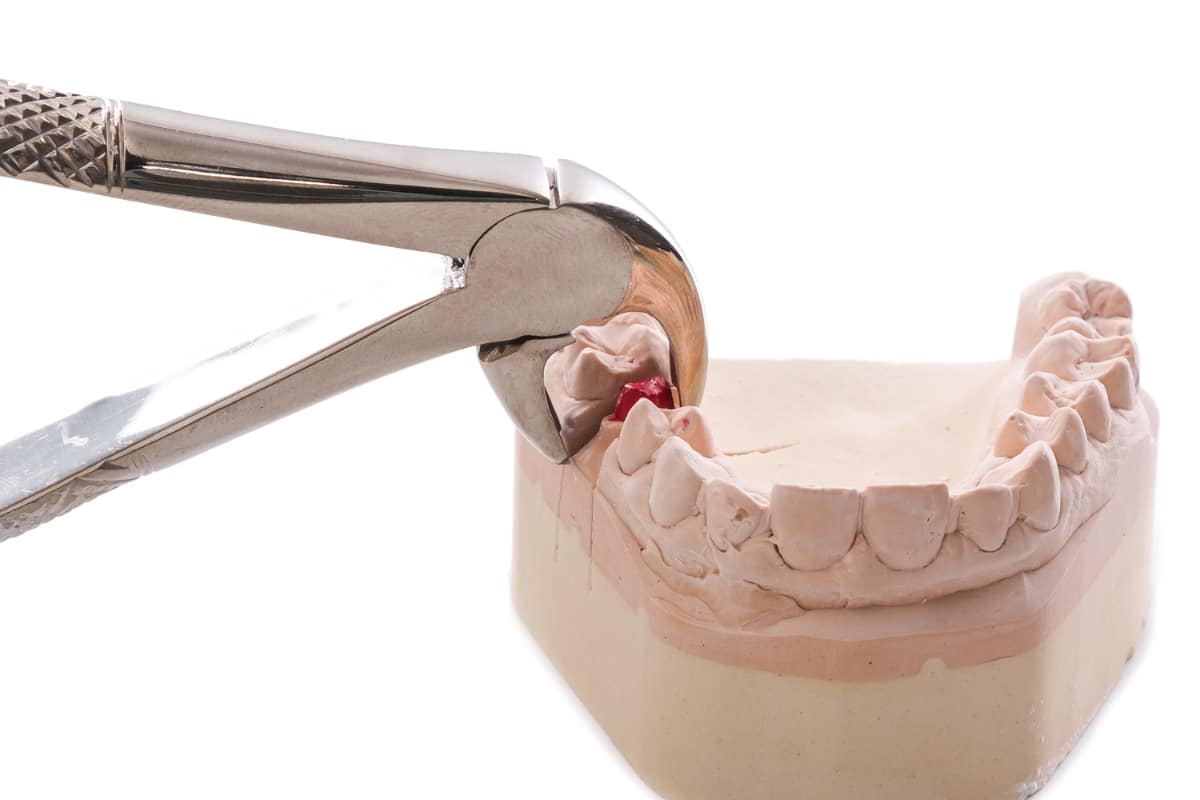
Anesthesia is a medication used to temporarily block sensation in a targeted part of the mouth. Dentists rely on it for many common procedures, including fillings, crowns, root canals, and tooth removals.
Before treatment begins, the dentist may place a numbing gel on the gums. A small amount of anesthetic is then injected near the tooth being treated. Within a few minutes, the area becomes numb, allowing the procedure to be completed without pain.
A key point is that local anesthesia does not affect your awareness. You remain awake, can hear and speak normally, and are able to respond to the dental team during the procedure.
How Anesthesia Prevents Pain
The nerves in your teeth and gums normally send signals to the brain whenever they detect pain or sensitivity. Local anesthetics temporarily interrupt those signals. As a result, the brain does not receive the pain message from the treated area.
Dentists commonly use medications such as lidocaine because they provide reliable numbness and have a long history of safe use in dentistry. The numb sensation usually lasts for a few hours after the appointment, which is why eating or drinking very hot foods immediately afterward is generally discouraged.
For many routine dental treatments, anesthesia alone is enough to provide a comfortable experience.
What Is Sedation Dentistry?
Sedation works in a completely different way. Instead of numbing a particular tooth or gum area, it is used to reduce nervousness and create a calm, relaxed feeling during treatment.
Patients who may benefit from sedation include those who:
- Feel anxious about dental procedures
- Have avoided dental care because of fear
- Need several treatments completed in one visit
- Have difficulty remaining still for long appointments
- Have a sensitive gag reflex
Depending on the method used, sedation can produce anything from mild relaxation to a deeply calm, sleepy state. Most dental sedation techniques still allow patients to respond to instructions from the dentist.
Common Sedation Methods Used by Dentists
Different levels of relaxation can be achieved depending on the patient’s needs and the complexity of the procedure.
Nitrous Oxide
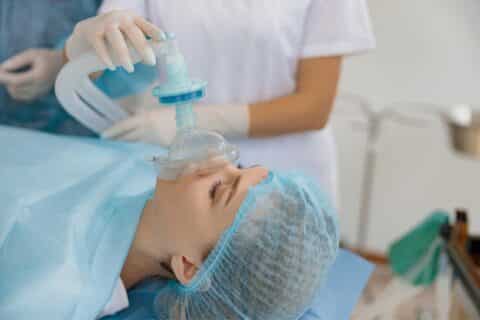
Often called laughing gas, nitrous oxide is breathed in through a small nose mask. It creates a light, relaxed feeling that wears off quickly once the gas is stopped.
Oral Sedation
With oral sedation, a prescribed medication is taken before the appointment. Patients usually feel much more relaxed and may remember only parts of the procedure afterward. Because the effects can continue for several hours, transportation home is typically required.
IV Sedation
Intravenous sedation is administered directly into a vein. It takes effect rapidly and allows the dentist to adjust the level of sedation throughout the procedure. This option is often chosen for longer or more involved treatments.
The Most Important Differences Between Anesthesia and Sedation
While both approaches improve patient comfort, they are designed to accomplish different goals.
Purpose
- Anesthesia: Eliminates pain in a specific area.
- Sedation: Reduces anxiety and promotes relaxation.
Effect on Awareness
- Anesthesia: Keeps you fully awake.
- Sedation: May make you feel calm, drowsy, or deeply relaxed depending on the type used.
Area of Action
- Anesthesia: Works only where it is applied.
- Sedation: Affects your overall level of relaxation.
Typical Situations
- Anesthesia: Used for most routine dental procedures.
- Sedation: Helpful for anxious patients or lengthy, complex treatments.
Which Option Might Be Right for You?
The right choice depends on the treatment being performed and your personal comfort level. Many patients do very well with local anesthesia alone, especially for shorter procedures.
For individuals who become extremely nervous about dental visits, working with a sedation dentist Round Rock patients trust can make a significant difference. Sedation can help patients feel more at ease, making it easier to receive necessary dental care without overwhelming stress.
When Dentists Commonly Use Anesthesia
Local anesthesia is usually recommended for treatments that involve drilling, reshaping teeth, or working close to sensitive nerves. Because only the treatment area is affected, recovery is relatively straightforward, and most people can return to their normal activities once the numbness fades.
A dentist Round Rock residents choose for preventive and restorative care will evaluate your procedure carefully and recommend the most appropriate type of anesthesia to keep you comfortable throughout the visit.
When Sedation May Be a Better Choice
Sedation is often more helpful when fear or anxiety is the main obstacle to treatment. It may also be recommended for:
- Dental implant surgery
- Multiple tooth extractions
- Full-mouth restorative treatment
- Extensive cosmetic dental procedures
- Appointments expected to last several hours
Patients who have postponed treatment for a long time often find that sedation helps them finally move forward with the care they need.
Why Sedation Dentistry Is Helpful for Dental Anxiety
Dental anxiety can have a serious effect on oral health. People who are afraid of dental treatment may delay cleanings, ignore tooth pain, or avoid appointments altogether. Over time, these delays can lead to more complicated dental problems.
Sedation dentistry helps remove many of these barriers by creating a more relaxed and reassuring treatment experience. At Advanced Dental Care of Round Rock, patient comfort is considered an important part of quality dental care. Sedation options are selected based on each patient’s health history, anxiety level, and treatment goals so that care feels manageable and supportive from start to finish.
Final Thoughts
Anesthesia and sedation are both valuable tools for improving the dental experience, but they serve different functions. Anesthesia is designed to prevent pain, while sedation is intended to reduce anxiety and help patients relax. In some cases, dentists may use both together to provide maximum comfort during treatment.
Knowing how these options differ can help you have a more informed conversation with your dental team and feel more confident about your upcoming treatment. Whether you need a simple filling or a more extensive procedure, choosing the right comfort approach can make dental care feel much less stressful and far more approachable.
Schedule an appointment with Advanced Dental Care of Round Rock today to discuss the comfort options that can help make your next dental visit as relaxed and comfortable as possible.
Frequently Asked Questions
Is sedation the same as being asleep during dental treatment?
No. Most forms of dental sedation keep you conscious, although you may feel very relaxed or sleepy. General anesthesia, which causes complete unconsciousness, is different from routine dental sedation.
Do I still need anesthesia if I choose sedation?
Usually, yes. Sedation helps you stay calm, but local anesthesia is typically used to numb the treatment area and prevent pain during the procedure.
Is sedation dentistry considered safe?
For most healthy patients, sedation dentistry is considered safe when administered by trained dental professionals. Your dentist will review your medical history and any medications you take before recommending a sedation option.
How long does dental numbness usually last?
Numbness from local anesthesia often lasts between two and four hours, though the exact duration varies depending on the medication used and the area treated.
Can I drive home after receiving sedation?
Patients who receive nitrous oxide can often drive home once the effects have worn off. Those who receive oral sedation or IV sedation will usually need another adult to drive them home.
Who is a good candidate for sedation dentistry?
Sedation may be beneficial for patients with dental anxiety, a strong gag reflex, difficulty sitting through long appointments, or those undergoing extensive dental treatment. A consultation with your dentist is the best way to determine whether sedation is appropriate for your situation.