Dry Mouth Relief: The Ultimate Food & Hydration Guide
Dry mouth—often called Xerostomia—is something many people deal with at some point, but it can feel more disruptive than expected. When your mouth isn’t producing enough saliva, even simple things like talking, eating, or sleeping comfortably can become a challenge.
Saliva quietly does a lot of work in the background. It keeps your mouth lubricated, helps break down food, protects your teeth, and limits bacteria. When that natural balance is off, you might notice your mouth feeling sticky, your lips drying out, or a constant urge to sip water.
If this becomes a regular issue, it’s worth paying attention. A Round Rock dentist can help identify what’s causing the dryness and guide you toward solutions that actually work. At Advanced Dental Care of Round Rock, patients often get practical, personalized care plans to manage dry mouth and avoid long-term oral health problems.
Signs You Might Have Dry Mouth
Dry mouth doesn’t always show up the same way for everyone. Some people notice it right away, while for others it builds gradually.
A dry, sticky feeling that doesn’t go away
Needing water frequently, even when you’ve just had some
A rough or dry tongue
Difficulty chewing or swallowing comfortably
Food tasting a little “off”
Irritated spots inside the mouth
A scratchy or hoarse voice
What Can Cause It?
Dry mouth isn’t always about one single cause. Often, it’s a mix of factors:
Medications: Many common prescriptions can slow saliva production
Low fluid intake: Not drinking enough water during the day
Health conditions: Some conditions affect how your salivary glands function
Age-related changes: Your body may naturally produce less saliva over time
Smoking: Tobacco can dry and irritate the mouth
Pinpointing the cause makes it easier to manage the symptoms effectively.
Why Staying Hydrated Makes a Difference
Think of saliva as your mouth’s natural rinse system. It helps clean away leftover food, balances acids, and keeps your teeth protected. When there isn’t enough of it, your mouth becomes more vulnerable to cavities and irritation.
The Role of Water
Since saliva is mostly water, your hydration levels directly affect how your mouth feels. Even mild dehydration can make dryness worse.
How Much Is Enough?
There’s no one-size-fits-all number, but aiming for steady water intake throughout the day is a good approach rather than drinking large amounts at once.
Making Hydration Easier
Add natural flavors like lemon or mint to your water
Sip herbal tea if plain water feels boring
Choose foods with high water content
Foods That Can Help Ease Dryness
The right foods won’t cure dry mouth, but they can definitely make it more manageable.
Fresh, Water-Rich Options
Watermelon and cucumber: Light, refreshing, and packed with water
Celery: Crunchy and naturally helps stimulate saliva
Leafy greens: Support overall oral tissue health
Gentle and Comforting Choices
Yogurt: Smooth texture and helpful bacteria
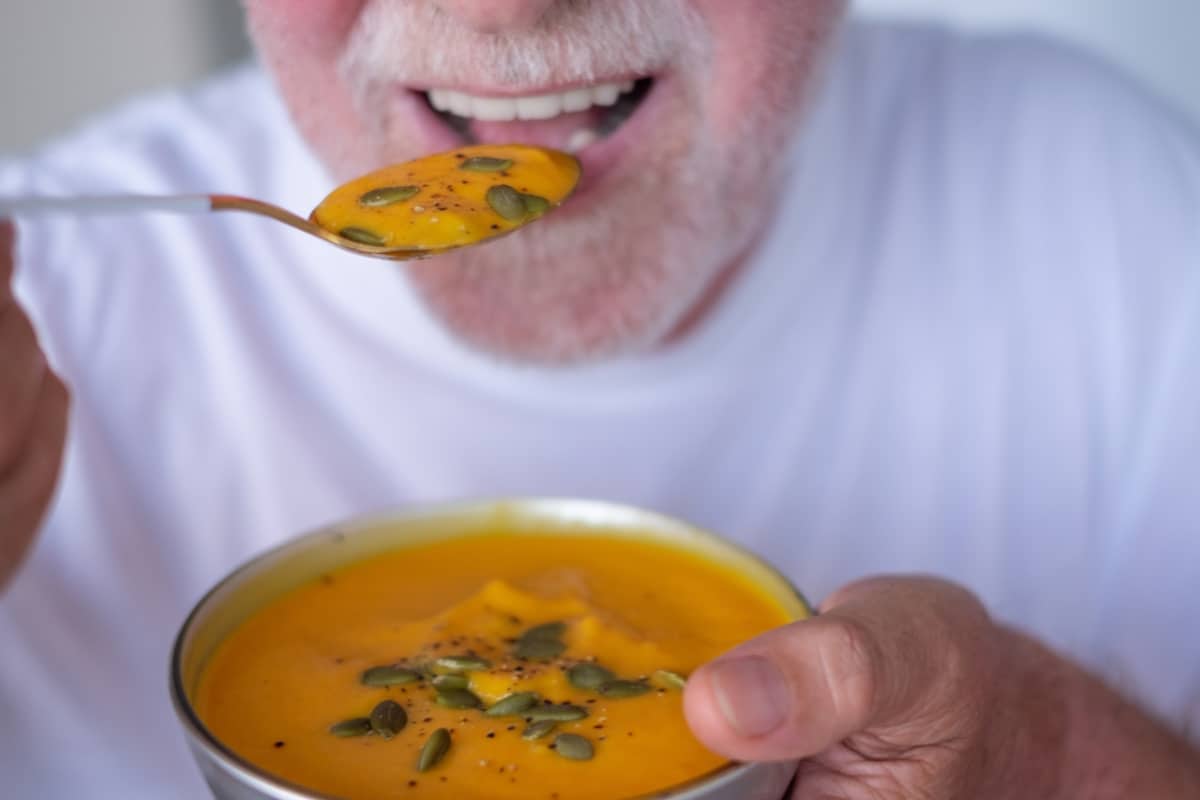
Soups and broths: Easy to eat and hydrating
Nuts: Encourage chewing, which boosts saliva
Apples and pears: Naturally juicy and refreshing
Small Additions That Help
Sugar-free gum to encourage saliva flow
Herbal teas for gentle hydration
Foods and Drinks to Limit
Some everyday choices can quietly make dry mouth worse:
Crunchy, dry snacks like chips or crackers
Sugary or sticky foods
Coffee and caffeinated drinks
Alcohol
Swapping these out for softer, moisture-rich foods can make meals much more comfortable.
Everyday Habits That Help
Managing dry mouth doesn’t have to be complicated. Small changes can go a long way:
Keep a water bottle nearby and sip regularly
Try sugar-free lozenges for quick relief
Use a humidifier, especially while sleeping
Focus on breathing through your nose instead of your mouth
Avoid tobacco products
Keep Your Mouth Protected
When saliva is low, your teeth and gums need extra attention:
These habits help prevent issues before they start.
Final Thoughts
Dry mouth can be frustrating, especially when it affects your daily comfort. The good news is that with the right mix of hydration, food choices, and simple habits, it’s possible to manage it effectively.
Having a tooth removed can leave you with several questions about what happens next. You might notice the stitches while eating, talking, or brushing your teeth and wonder when they will disappear. It is also common to feel concerned if the sutures begin to loosen before you expect them to. Fortunately, many stitches used after…
Recovering from dental bone graft surgery involves more than simply giving your mouth time to heal. Your body also needs the right nutrients to repair tissue, support bone regeneration, and protect the treated area while it recovers. Whether your procedure addresses bone loss caused by gum disease or prepares your jaw for dental implants, choosing…