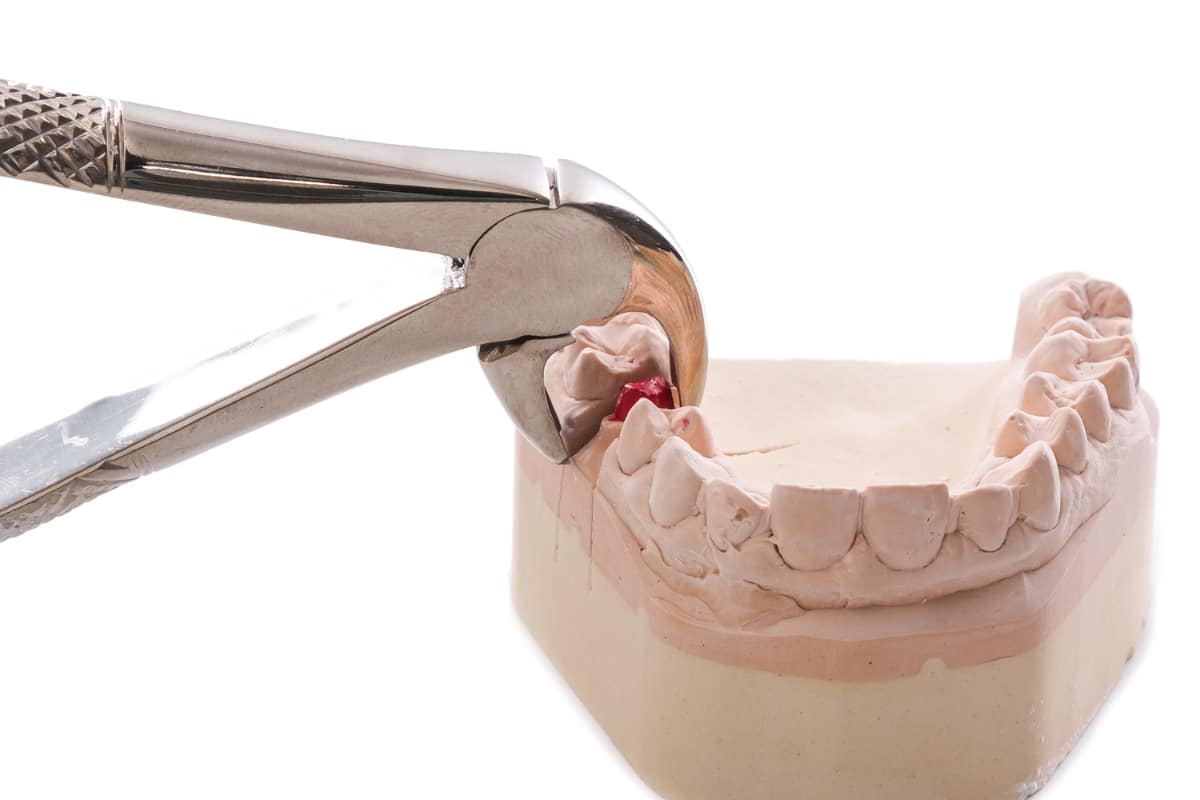
Is Teeth Shaving Necessary for Veneers? What You Need to Know
Thinking about veneers can be exciting. You may be imagining a brighter, more even smile and finally fixing the small imperfections that have bothered you for years. Then you hear about teeth shaving for veneers, and suddenly, you have questions.
Will your natural teeth be damaged? How much enamel has to be removed? Is shaving always necessary?
These are reasonable concerns, especially because veneers are a long-term cosmetic treatment. The good news is that getting veneers does not always mean your teeth will be dramatically shaved down. In many cases, only a small amount of enamel is adjusted. Some patients may even be candidates for veneers that require little or no tooth reduction.
If you are considering veneers, understanding how the process works can help you feel more comfortable before making a decision.
What Does Teeth Shaving for Veneers Actually Mean?
The phrase “teeth shaving” can sound more intimidating than the actual procedure.
When a dentist prepares a tooth for a veneer, they may remove a very thin layer of enamel from the front or edges of the tooth. This creates room for the veneer so that it fits naturally and does not make the tooth look too large or bulky.
The amount of tooth shaving before veneers depends on the individual case. Some teeth may need very little adjustment, while others may require more preparation.
This process may be recommended to improve:
- The fit of the veneer
- The overall shape of the tooth
- How natural the final smile looks
- Bite comfort
- Alignment with neighboring teeth
A consultation with a Round Rock dentist can help determine how much preparation, if any, may be needed for your smile.
Do Veneers Require Teeth Shaving?
One of the most common questions patients ask is, “Do veneers require teeth shaving?”
The honest answer is that it depends.
Traditional veneers often require some level of teeth preparation for veneers. The goal is to create enough space for the veneer material while maintaining a natural appearance.
For example, if a veneer is placed on a tooth without making enough room for it, the tooth may appear thicker or stick out farther than the surrounding teeth.
However, not everyone needs the same amount of tooth reduction. Your natural tooth shape, position, and the type of changes you want can all affect the treatment plan.
A dentist may recommend tooth preparation when:
- Teeth are already prominent
- A noticeable color change is needed
- The teeth need significant reshaping
- The veneers would otherwise look bulky
- Bite adjustments are necessary
That is why there is no single answer that applies to everyone considering veneers.
Are Teeth Shaved Down for Veneers?
Many people picture their teeth being filed down into small pegs. Fortunately, that is generally not what happens with veneers.
When patients ask, “Are teeth shaved down for veneers?”, it is helpful to understand the difference between veneers and crowns.
A dental crown covers the entire tooth and usually requires more extensive reshaping. A veneer typically covers only the visible front surface of a tooth. Because of this, veneer preparation is often much more conservative.
Still, if enamel is removed, that change is permanent. Enamel does not grow back, which is why you should understand the proposed treatment before moving forward.
Why Is Tooth Preparation Sometimes Needed?
Tooth reshaping for veneers is sometimes necessary because the veneer needs enough space to sit comfortably on the tooth.
Imagine adding a thin layer to the front of something that is already the right size. Without making room for that layer, the final result may look too thick.
The same idea applies to veneers.
Proper preparation can help the veneer blend naturally with your existing teeth and support a comfortable bite. It can also help your dentist create the shape and proportions you are hoping for.
The amount of preparation should be based on your individual needs rather than a one-size-fits-all approach.
Are There Veneers Without Shaving Teeth?
Yes, in some situations, veneers without shaving teeth may be an option.
These are often called no-prep or minimal-prep veneers. They are designed to be very thin and may be placed with little or no removal of the natural tooth structure.
However, no-prep veneers are not ideal for every patient.
For example, if your teeth already project outward, adding veneer material without creating space could make them look more prominent. Similarly, the type of cosmetic changes you want may require some preparation to achieve a balanced result.
A Round Rock dentist can evaluate several factors before recommending a treatment approach, including:
- Tooth size and shape
- The position of your teeth
- Your bite
- The condition of your enamel
- The appearance you want to achieve
Modern treatment planning allows dentists to take a closer look at how veneers may affect your smile before treatment begins.
How Much Tooth Structure Is Usually Removed?
There is no universal amount because every veneer case is different.
Some patients need only minimal enamel adjustment. Others may require more preparation depending on tooth position, shape, or the desired cosmetic change.
From a practical standpoint, the more dramatic the planned change, the more planning may be needed. A patient making a small improvement to one or two teeth may have different preparation needs than someone changing the appearance of several front teeth.
The most important thing is that you understand why tooth preparation is being recommended and how it fits into your overall treatment plan.
Questions to Ask Before Getting Veneers
Before moving forward, it is worth asking a few simple questions:
How much enamel will be removed?
Ask your dentist to explain the expected level of preparation for your specific teeth.
Is a minimal-prep option possible?
Depending on your smile, there may be a more conservative treatment option.
What happens if I do not prepare my teeth?
Your dentist can explain whether avoiding preparation could affect the appearance, fit, or function of the veneers.
How long will my veneers last?
Veneer longevity can vary depending on the material used, oral hygiene, bite forces, and everyday habits.
The Bottom Line
Teeth shaving for veneers is not automatically required to the same degree for every patient. Some people need minimal tooth preparation, while others may be candidates for little or no enamel removal.
The best decision depends on your teeth, your bite, and the type of result you want to achieve. Rather than choosing between traditional or no-prep veneers based on a general rule, it is better to have your smile evaluated individually.
At Advanced Dental Care of Round Rock, patients can discuss their veneer options and better understand what the treatment may involve. If you are considering veneers, speaking with a Round Rock dentist can help you make an informed decision about your smile.
Schedule an appointment to discuss your veneer options and find out whether tooth preparation may be necessary for your individual treatment.
Frequently Asked Questions
Does teeth shaving hurt before getting veneers?
The preparation process is typically designed to keep patients comfortable. Depending on the amount of work being done, your dentist may discuss anesthesia or other comfort options.
Can shaved teeth grow back?
No. If enamel is removed during veneer preparation, it does not grow back. This is an important factor to consider before treatment.
Are no-prep veneers better than traditional veneers?
Not necessarily. The best option depends on your teeth and cosmetic goals. A no-prep approach may work well for some patients but not for others.
Will veneers look bulky if my teeth are not shaved?
They can in certain cases. If there is not enough room for the veneer material, the teeth may appear thicker or more prominent.
Can I replace veneers later?
Yes. Veneers may need replacement over time due to wear, damage, or other changes. The specific treatment approach will depend on your oral health and existing tooth structure.