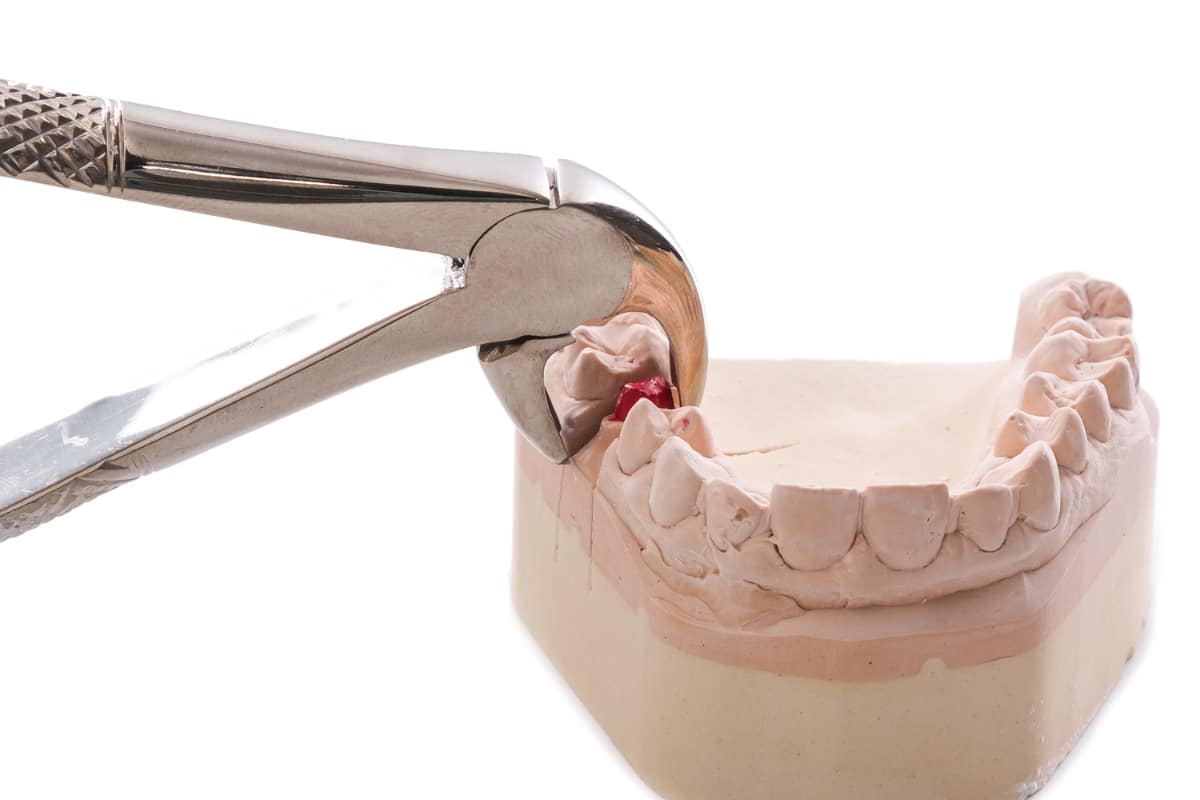
What Happens If You Leave a Broken Tooth Root in Your Mouth?
A broken tooth can be more complicated than it looks. Sometimes, the visible portion of a damaged tooth breaks away while a piece of the root remains beneath the gumline. Because you may not be able to see the remaining fragment, it can be tempting to assume the problem is over. Unfortunately, leaving a broken tooth root in your mouth can create conditions that affect your gums, jawbone, and surrounding teeth.
The sooner a fractured root is evaluated, the easier it may be to prevent additional complications. Even when the area does not hurt immediately, an examination can determine whether the remaining root needs treatment or removal.
Why Can a Tooth Root Break?
A tooth root may fracture for several reasons. A hard impact from an accident or sports injury can damage the tooth, while extensive decay can weaken its structure over time. Previous dental work may also leave a tooth more vulnerable to cracking, particularly when little natural tooth structure remains.
In some cases, a root fracture is difficult to detect without a dental examination and imaging. The absence of obvious damage does not necessarily mean the remaining root is harmless.
What Are the Early Warning Signs?
Your symptoms can vary depending on the location and severity of the fracture. Some people experience discomfort right away, while others notice changes only after inflammation or infection develops.
Possible warning signs include:
- Pain when biting or putting pressure on the area
- Swelling or tenderness around the gum
- Redness near the affected tooth
- Increased sensitivity to hot or cold foods and drinks
- A recurring bad taste or unpleasant odor
- Drainage or a small bump on the gum
- Irritation caused by a sharp or uneven area
Symptoms may come and go, but that does not mean the underlying problem has disappeared. Repeated discomfort or swelling deserves professional attention.
What Happens When the Root Is Left Behind?
A retained tooth root can provide bacteria with a place to collect. If the surrounding tissues become infected, inflammation may develop around the remaining root. Without treatment, the infection can gradually affect nearby gum tissue and the bone supporting the teeth.
An infection may eventually form an abscess, which can cause significant pain, swelling, and drainage. In more advanced cases, the swelling may extend toward the jaw or face. These complications are one reason a seemingly small dental problem should not be ignored.
Can a Broken Root Damage the Jawbone?
Yes, an untreated infection around a fractured root can affect the bone surrounding the tooth. Persistent inflammation may cause the supporting bone to deteriorate, potentially making future dental treatment more complicated.
The condition can also affect the stability of nearby teeth if the infection spreads through surrounding tissues. Treating the source early can help limit unnecessary damage to the structures that support your smile.
Can It Affect Other Teeth?
The bacteria associated with an untreated dental infection can affect more than the original damaged area. Nearby gums and teeth may become irritated, and an infection can spread through the surrounding tissues.
This does not mean that every retained root will automatically cause widespread problems. However, there is no reliable way to determine the risk without having the area examined. A dental professional can use an examination and appropriate imaging to assess what is happening beneath the gum.
When Should You Seek Emergency Dental Care?
Severe or rapidly increasing tooth pain, facial swelling, significant gum swelling, fever, difficulty swallowing, or difficulty breathing should not be ignored. These symptoms can indicate an infection that requires prompt attention. If you are dealing with sudden or severe symptoms, an emergency dentist Round Rock can evaluate the problem and determine the appropriate next step.
Even when symptoms are relatively mild, arranging a dental examination promptly is important if you know or suspect that part of a tooth root remains in your mouth. Early evaluation may help prevent a minor problem from developing into a more involved dental issue.
How Is a Broken Tooth Root Treated?
Treatment depends on the condition of the remaining root, the surrounding tissues, and the amount of healthy tooth structure that remains. Your dentist will typically examine the area and may take dental X-rays or other images before recommending treatment.
Possible approaches include:
Root removal: If the remaining fragment cannot be preserved or is contributing to infection, the dentist may carefully remove it. The procedure may be straightforward or may require a minor surgical approach depending on where the root is located.
Root canal treatment: In certain situations, the tooth itself may still be restorable. Root canal therapy can remove infected or damaged tissue from inside the tooth and allow the remaining structure to be restored.
Restoration after treatment: If enough healthy tooth structure remains, a filling, crown, or another restoration may be used to protect the tooth after treatment.
The appropriate option cannot be determined from symptoms alone. An in-person examination is needed to understand the extent of the damage.
Why Is Early Treatment Important?
Waiting can give an infection more time to develop and may allow damage to spread into the surrounding tissues. It can also turn a relatively manageable problem into one requiring more extensive treatment.
Getting the area checked early gives your dentist an opportunity to identify the source of the problem and discuss treatment before complications become more serious. Even if the broken root is not currently painful, professional evaluation can provide clarity about whether it needs to be removed or monitored.
Final Thoughts
A broken tooth root should not be left untreated simply because it is hidden beneath the gum or does not hurt right away. Infection, inflammation, bone damage, and problems involving nearby teeth can develop over time.
If you think a piece of a broken tooth may still be present, having it examined is the safest way to determine what needs to be done. Schedule an appointment for an evaluation before the problem has an opportunity to become more complicated.
Frequently Asked Questions
Can a broken tooth root heal by itself?
No. A fractured tooth root cannot naturally grow back together. If the root is damaged or causing problems, a dentist needs to determine whether it can be treated or should be removed.
Can a broken root stay in the mouth without causing pain?
Yes. Some retained roots cause few noticeable symptoms initially. However, bacteria and inflammation can develop around the area later, so the absence of pain does not necessarily mean the root is safe to leave untreated.
What are the signs that a retained tooth root is infected?
Possible signs include increasing pain, gum swelling, tenderness, redness, drainage, a bad taste, or a small pimple-like bump on the gum. Fever or facial swelling may indicate a more serious infection requiring prompt care.
Does every broken tooth root need to be removed?
No. The treatment depends on the location and condition of the root and the remaining tooth structure. In some circumstances, the tooth may be treatable with root canal therapy or another restorative procedure.
Can a retained root cause bone loss?
An infection surrounding an untreated root fracture can contribute to damage of the bone supporting the tooth. Treating the underlying problem may help prevent the condition from progressing.
Is a broken tooth root considered a dental emergency?
It depends on the symptoms. Severe pain, significant swelling, facial swelling, fever, or difficulty swallowing or breathing requires prompt evaluation. Less severe cases should still be examined as soon as reasonably possible.