Recovering From Getting Dental Implants
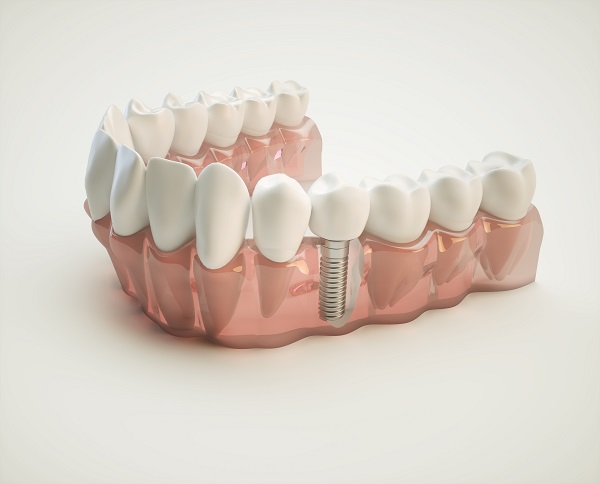
Dental implants are quite similar to real teeth. The implant goes right in the patient's jaw, and a crown is attached to its outer end. It is the only solution for missing teeth that replaces the lost roots and visible parts of teeth and preserves the wearer's bone tissue.
Recovering after the installation of dental implants
The installation of implants requires minor oral surgery, so patients should be healthy enough to recover from surgical procedures. The dentist will go over any health issues and/or substance abuse problems that the patient has before starting the treatment. Conditions like diabetes and habits like smoking can hinder a person's ability to heal.
During the procedure, a cut is made into the patient's gums so the jawbone can be reached. A hole is drilled into the bone, and the implant is pushed into the hole. The dentist finishes the procedure by stitching up any incisions.
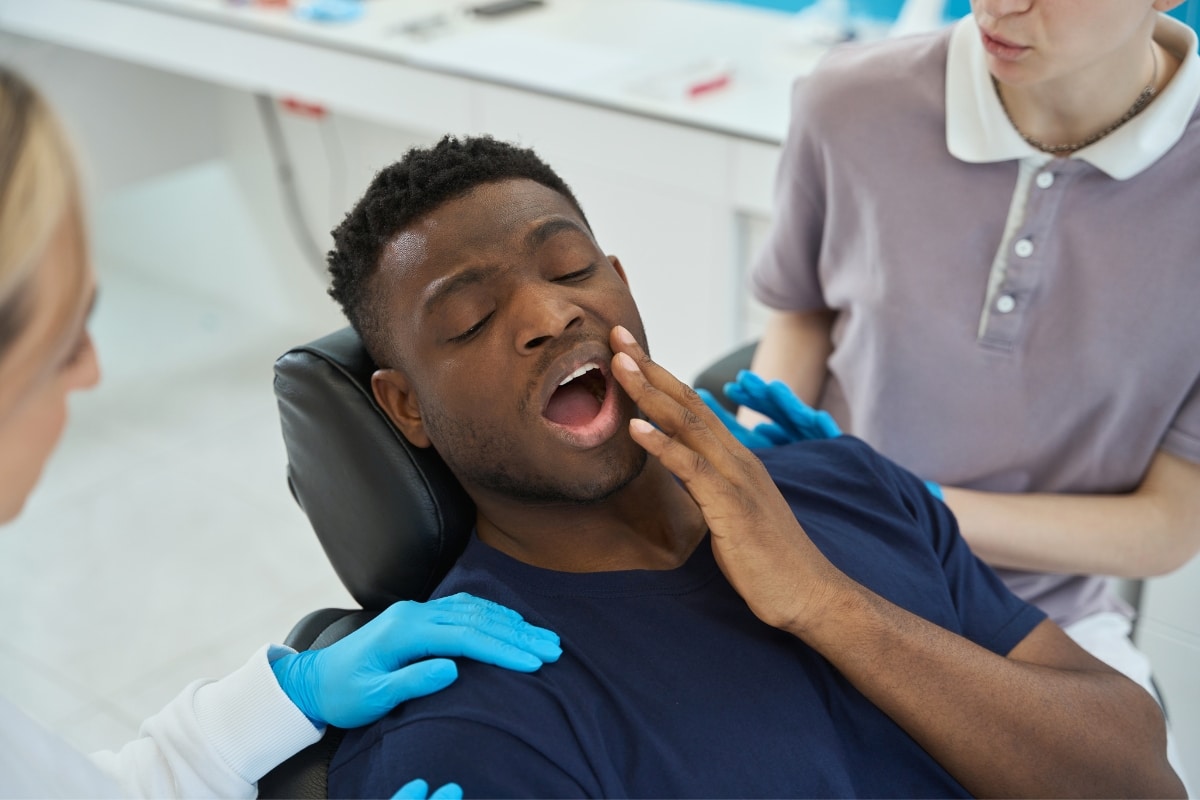
Issues that patients might experience after getting dental implants include:
- Bruised gums and skin
- Pain coming from the surgical area
- Swelling of the face and gums
- Minor bleeding from the surgical site
The patient might be prescribed antibiotics or pain mediation after their implant surgery. Most of the problems listed above should subside in a few days.
Dentists recommend sticking to soft foods while the site of the surgery heals and the implant fuses with the bone tissue, holding it in place. The patient might have to go for a follow-up appointment to have any stitches removed if the dentist does not use self-dissolving ones.
Life after the dental implant installation
Implants have a 95% success rate, so most installations are successful. In rare cases, the implant might fail to fuse with the jawbone, leading to implant failure. Habits like smoking can increase the odds of this occurring.
When implants fail, the dentist will have to remove them, clean them and retry the installation in a few months. Patients can increase the odds of successful implant installation by:
Practicing good oral hygiene: Good oral hygiene minimizes the time that oral bacteria spend on teeth, reducing the odds of implant failure. A saltwater solution should be used to clean the mouth the first few days after the installation of implants to avoid aggravating the surgical site.
Visiting a dentist twice each year: Regular visits to a dentist gives them a chance to keep tabs on the implants. It also gives the dentist the opportunity to detect other dental issues that the patient might be dealing with.
Sticking to soft foods during the recovery period: Hard foods can cause the implant to move, leading to failure.
Replace missing teeth with implants
Dental implants are one of the options you should explore if you are missing one or more teeth. It is the closest thing you can get to the teeth you have lost. Call or visit our Round Rock clinic to learn more about how to recover after getting dental implants.
Let's get started …
Request an appointment here: https://adcroundrock.com or call Round Rock Dental Office at (512) 720-5868 for an appointment in our Round Rock office.
Check out what others are saying about our services on Yelp: Read our Yelp reviews.
Recent Posts
A broken tooth can be more complicated than it looks. Sometimes, the visible portion of a damaged tooth breaks away while a piece of the root remains beneath the gumline. Because you may not be able to see the remaining fragment, it can be tempting to assume the problem is over. Unfortunately, leaving a broken…
Getting a wisdom tooth removed can leave you with plenty of questions during the days that follow. Your jaw feels sore, chewing isn't as easy as usual, and your face may be a little swollen. Then, just when you think you've figured out what to expect, you notice an ache around your ear.It can be…
Finding a tooth that has suddenly turned dark can be a little frightening. You may look in the mirror and wonder what happened, especially if the tooth doesn't hurt at all. It is tempting to think that no pain means there is nothing to worry about. Unfortunately, teeth don't always work that way.A change in…
Going to the dentist can be stressful, especially if you already deal with dental anxiety. For someone with high blood pressure, that stress can bring up another concern: Is sedation dentistry safe?The good news is that sedation dentistry for high blood pressure patients may be an option in many cases. However, the answer depends on…