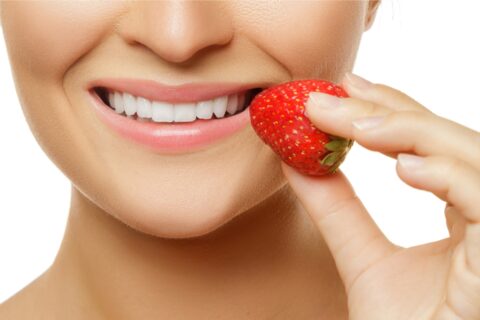
10 Healthier Sugary Food Alternatives to Satisfy Your Sweet Tooth
Craving something sweet happens to almost everyone. Whether it’s after a meal or during a mid-afternoon slump, the urge to grab a sugary snack can feel hard to ignore. Unfortunately, many common treats like candy, pastries, and sweetened drinks contain large amounts of refined sugar that can negatively affect your overall health and your teeth.
When sugar sits on your teeth, it feeds harmful bacteria in the mouth. These bacteria produce acids that weaken enamel and eventually lead to cavities. Over time, frequent sugar consumption can increase the risk of tooth decay and other oral health concerns.
That doesn’t mean you have to completely avoid sweet flavors. The key is choosing foods that offer natural sweetness while also providing nutrients your body—and your teeth—benefit from.
Many patients who visit a dentist Round Rock are surprised to learn that simple diet changes can help protect their smiles. Replacing highly processed sweets with naturally sweet, nutrient-rich foods can make a noticeable difference in both dental health and overall well-being.
If you’re looking for better ways to enjoy something sweet, here are ten options that can help satisfy cravings without exposing your teeth to excessive sugar.
Fresh Fruit
Fresh fruit is one of the easiest ways to enjoy something sweet while still making a healthy choice. Fruits like apples, berries, oranges, and pears naturally contain sugar, but they also provide fiber, vitamins, and antioxidants.
The fiber in whole fruit encourages saliva production, which helps wash away food particles and balance acids in the mouth.
Dark Chocolate
Chocolate lovers don’t have to give it up entirely. Dark chocolate, especially varieties with 70% cocoa or more, typically contains less sugar than milk chocolate.
It also contains antioxidants and tends to be more satisfying in smaller amounts, which can help you avoid overindulging.
Greek Yogurt with Honey
Plain Greek yogurt is packed with protein and calcium, both of which are beneficial for strong teeth and bones. Adding a small drizzle of honey gives it just enough sweetness without the heavy sugar content found in many flavored yogurts.
The probiotics in yogurt may also support a healthier balance of bacteria in the mouth.
Homemade Smoothies
Smoothies can be a great alternative to sugary beverages when prepared with whole ingredients. Blending fresh fruit with yogurt or milk alternatives like almond milk creates a naturally sweet and refreshing drink.
For added nutrition, you can include ingredients such as spinach, chia seeds, or oats.
Apple Slices with Nut Butter
Apple slices paired with almond butter or peanut butter make a satisfying snack that combines sweetness with healthy fats and protein.
This combination can help you feel full longer while still satisfying a craving for something sweet.
Frozen Grapes
Frozen grapes are a simple treat that can feel surprisingly similar to dessert. After washing them, place the grapes in the freezer for a few hours.
They become a cool, naturally sweet snack that’s refreshing and easy to enjoy anytime.
Homemade Trail Mix
Trail mix can be a balanced snack when you make it yourself. Combine nuts, seeds, and unsweetened dried fruits for a mix that provides protein, fiber, and natural sweetness.
Adding a few pieces of dark chocolate or coconut flakes can make it feel like a treat while keeping the sugar content moderate.
Chia Seed Pudding
Chia seeds can create a pudding-like texture when soaked overnight in milk or a plant-based alternative. Adding fresh fruit or a touch of honey gives it a natural sweetness.
This snack is rich in fiber, omega-3 fatty acids, and antioxidants, making it both filling and nutritious.
Baked Apples with Cinnamon
Baking apples brings out their natural sweetness without the need for extra sugar. A sprinkle of cinnamon adds warmth and flavor while keeping the dish simple and wholesome.
This comforting treat works well as a light dessert or evening snack.
Dates with Nuts
Dates are naturally sweet and often used as a healthier substitute for candy or processed desserts. Pairing them with almonds or walnuts adds protein and healthy fats, creating a more balanced snack.
Just a small portion can go a long way in satisfying a sweet craving.
A Sweet Treat Doesn’t Have to Harm Your Smile
Making thoughtful food choices can help protect your teeth while still allowing you to enjoy sweet flavors. Natural options like fruit, yogurt, and nuts can satisfy cravings while providing nutrients your body needs.
In addition to choosing healthier snacks, maintaining daily oral hygiene and attending routine dental checkups are important steps for protecting your smile. A Round Rock dentist can help you understand how diet affects your oral health and offer guidance on habits that support strong teeth.
By making small adjustments to your snack choices, you can enjoy sweetness in a way that supports both your health and your smile.
For personalized guidance on protecting your teeth and maintaining a healthy smile, schedule an appointment with a dentist in Round Rock today.
Frequently Asked Questions
Are natural sugars safer for teeth than refined sugars?
Natural sugars found in whole foods like fruit are generally less harmful because these foods also contain fiber and water. However, moderation is still important, and good oral hygiene is essential.
Can eating fruit still cause cavities?
Fruit contains natural sugar, so it can still affect teeth if consumed frequently. Eating whole fruit instead of fruit juices and rinsing your mouth with water afterward can help reduce risk.
Is dark chocolate better for dental health?
Dark chocolate usually contains less sugar than milk chocolate, which makes it a better option when eaten in small amounts.
Do healthy snacks completely prevent tooth decay?
Healthy snacks can reduce risk, but they don’t eliminate it entirely. Brushing twice daily, flossing, and regular dental visits remain important.
How often should I see a dentist for checkups?
Most people benefit from visiting the dentist every six months, although some individuals may require more frequent visits depending on their oral health.