Is Salt Water Good for Periodontal Disease?
A sore or swollen gum can make everyday things like eating, brushing, and flossing uncomfortable. When that happens, many people turn to a simple home remedy: warm water mixed with salt. It takes only a few seconds to prepare and does not require a trip to the store. But does this familiar remedy actually help when gum disease is involved? Salt water can have a soothing effect, but it is important to know where its benefits end and professional treatment begins.
Periodontal disease is not simply a temporary case of irritated gums. It is an infection involving the tissues that support your teeth. The problem usually starts when plaque remains around the teeth and along the gumline. As bacteria accumulate, the gums can become inflamed. Without appropriate care, the infection may eventually affect the structures beneath the gums and compromise the support around the teeth.
In the earlier stages of gum disease, you might notice changes that are easy to dismiss. Your gums may bleed when you brush, look redder than usual, or feel slightly swollen. Some people also experience tenderness or persistent bad breath. A salt water rinse may make irritated tissue feel more comfortable during this stage, but feeling better does not necessarily mean the underlying gum problem has gone away.
Why Do People Use Salt Water for Their Gums?
Salt water can be useful as a gentle cleansing rinse. Moving the solution around the mouth may help wash away loose debris while creating an environment that is less favorable for some oral bacteria. The warmth of the water can also feel calming when gum tissue is uncomfortable.
Another potential benefit is that a mild rinse can be easy to tolerate when the mouth is already sensitive. Rather than containing multiple active ingredients, it uses two basic components: water and salt. This makes it a convenient supportive option for people dealing with temporary gum irritation.
Does Salt Water Reduce Gum Inflammation?
It can help soothe inflamed tissue, which is one reason people often find a warm salt water rinse comforting. When gums are tender, gentle rinsing may reduce the feeling of irritation and help keep the area cleaner.
That does not mean salt water eliminates the infection responsible for periodontal disease. Gum inflammation can return if plaque and tartar continue to remain around the teeth. For that reason, rinsing should be considered part of supportive oral care rather than a stand-alone treatment.
What Are the Benefits of Rinsing With Salt Water?
A properly prepared rinse can be useful for several reasons:
- Provides temporary comfort: Warm water may help soothe gums that feel tender or irritated.
- Cleanses the mouth: Swishing can help move away loose particles and debris.
- Supports irritated tissue: A mild rinse can be a helpful addition while the gums are recovering.
- May help with mild inflammation: Salt water can support a cleaner oral environment around irritated areas.
- Simple and inexpensive: It can be prepared at home using basic ingredients.
- Easy to add to an oral care routine: It takes little time and requires no specialized equipment.
These advantages make salt water a reasonable supportive measure for some people. However, none of them make it a replacement for proper periodontal treatment.
What Can Salt Water Not Do?
The biggest misconception is that salt water can cure periodontal disease. It cannot.
Plaque is a sticky bacterial film that develops on the teeth. When it is not adequately removed, it can harden into tartar. Once tartar forms, simply rinsing with salt water will not remove it. Deposits that have accumulated around or below the gums may require professional cleaning.
Salt water also cannot rebuild bone that has been lost because of advanced gum disease. It cannot close deep periodontal pockets or restore damaged tissues that support the teeth. While a rinse may reduce discomfort for a while, the disease itself can continue progressing underneath the surface.
This is why ongoing symptoms should not be ignored. If you are looking for a dentist in Round Rock because your gums repeatedly bleed, swell, or feel uncomfortable, a professional examination can help determine whether you are dealing with simple irritation or a periodontal condition that needs treatment.
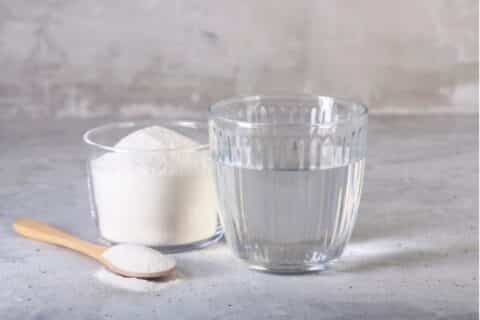
How Can You Prepare a Salt Water Rinse?
Making a mild rinse at home is simple.
Ingredients:
- 1 cup of warm water
- ½ to 1 teaspoon of salt
Directions:
- Pour the warm water into a clean glass.
- Add the salt and stir until it has dissolved.
- Take a small amount into your mouth.
- Gently move the solution around your gums for approximately 30–60 seconds.
- Spit the rinse into the sink.
- Do not swallow it.
The water should be comfortably warm rather than very hot. Extremely hot water can irritate or burn sensitive oral tissues.
How Frequently Can You Use It?
Salt water does not need to be used constantly to be helpful. Depending on the situation, some people may use a mild rinse two or three times a day for a short period. Your dental professional may recommend a different frequency based on your individual circumstances.
More is not necessarily better. Repeated exposure to a strong salt solution can leave the mouth feeling dry or cause additional irritation. If your gums remain swollen or painful despite rinsing, increasing the amount of salt or frequency of use is not the answer. The underlying problem needs to be identified.
What Should You Do If You Have Gum Disease?
A salt water rinse can be one small part of an overall oral hygiene routine. It should be used alongside habits that actually help control plaque, including brushing twice daily and cleaning between the teeth.
Regular dental examinations are equally important. A professional can check for signs of inflammation, tartar buildup, gum recession, periodontal pockets, and other changes that may not be obvious when you look in the mirror.
If periodontal disease is present, treatment depends on how advanced the condition has become. Early intervention can help control the infection and reduce the chance of additional damage to the tissues supporting your teeth.
Final Thoughts
Warm salt water can be a convenient way to soothe uncomfortable gums and support everyday oral cleanliness. It may be especially useful when the gums are temporarily irritated or tender. However, it should not create a false sense that periodontal disease has been treated simply because the discomfort improves.
Healthy gums require more than a home rinse. Consistent brushing, cleaning between the teeth, professional examinations, and appropriate periodontal treatment all play a role in protecting your oral health. If bleeding, swelling, bad breath, gum recession, or tenderness continues, getting the cause checked is more important than continuing to rely on home remedies.
Schedule an appointment if you are experiencing persistent gum bleeding, swelling, tenderness, recession, or other changes in your gum health.
Frequently Asked Questions
Can salt water cure periodontal disease?
No. Salt water may soothe irritated gums and support oral cleanliness, but it cannot cure periodontal disease or reverse damage to the tissues and bone supporting the teeth.
Is rinsing with salt water good for bleeding gums?
A mild rinse may help calm irritated gums, but bleeding that happens regularly should not be ignored. Frequent bleeding can be associated with gum inflammation or periodontal disease and should be evaluated professionally.
How many times a day can I rinse with salt water?
A mild solution may be used up to two or three times a day for short-term support. Avoid making the mixture excessively salty or using it more often than recommended, as this may irritate the mouth.
Can salt water remove plaque and tartar?
Salt water may help rinse away loose debris, but it does not remove hardened tartar. Plaque control requires regular brushing and interdental cleaning, while established tartar generally requires professional removal.
Can salt water replace periodontal treatment?
No. It can be used as a supportive home-care measure, but it cannot replace professional evaluation or treatment when periodontal disease is present.
What are the signs that gum disease needs professional attention?
Persistent bleeding, swollen or red gums, gum recession, ongoing tenderness, loose teeth, and continuing bad breath can all warrant a dental evaluation. Early assessment can help determine the appropriate treatment.
Is it safe to swallow salt water after rinsing?
It is best to spit the solution out rather than swallow it. Salt water rinses are intended to be used in the mouth and then discarded.
Can I use salt water if my gums are sore after dental treatment?
A dental professional may recommend a gentle salt water rinse after certain procedures. However, follow the specific aftercare instructions you receive, since recommendations can vary depending on the treatment performed.