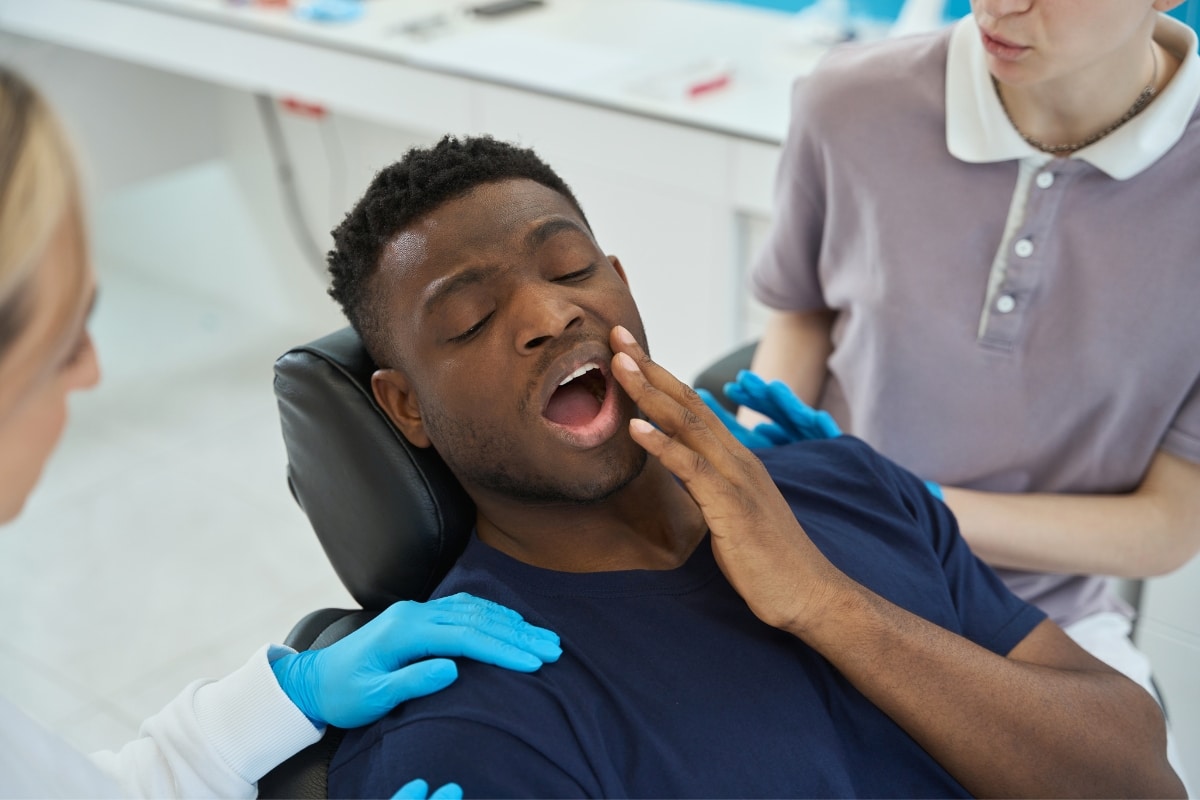
A Dentist’s Choice for Relaxation Techniques for Dental Anxiety

Suffering from dental anxiety? It can be difficult to know how to manage or overcome these feelings of fear and nervousness. However, there are a lot of relaxation techniques that dentists encourage, which can be helpful in easing nerves. Keep reading to find out more!
Relaxation techniques from a dentist
Outlined below are a few relaxation techniques that dentists prefer to recommend to patients who suffer with dental anxiety. It can be helpful to review the following information when feeling nervous about an upcoming dental appointment or procedure.
Communication
One of the main relaxation techniques that dentists rely on for patients with dental anxiety is simply communicating with them. Communication goes a long way in dentistry. A lot of patients fear the unknown, which is what can spark dental anxiety. Having the dentist communicate each step of the appointment or procedure can be helpful in easing nerves.
Aside from communicating about the actual dental appointment, dentists and supporting staff also make an effort to make small talk with the patient. Small talk can be distracting, which helps to reduce and minimize dental anxiety. Small talk may include asking about family, work or school.
Movies and television
A lot of dental practices have televisions above each dental chair, which are meant to be used as a distraction for patients who feel anxious. The staff will likely play a television show or movie to help patients relax throughout their appointment. While not every practice has televisions, most dentists encourage watching something, even if it means bringing an iPad or tablet.
Music
Another good relaxation technique that dentists encourage is listening to music. Almost all practices have relaxing music playing throughout the building; however, it is also suggested that patients bring their own. Personalized music can be helpful in easing nerves and feeling relaxed. Headphones and music devices are encouraged as long as they do not get in the way of the dentist's work.
Breathing exercises
Patients that experience severe dental anxiety can also make use of breathing exercises, which can be helpful in relaxing and combatting dental anxiety. Breathing exercises can be done throughout the entire procedure or appointment. Some examples include the following:
- Deep breaths
- Slow breaths
- Focusing on actual inhaling and exhaling
Friends or family members
Some dentists recommend that patients bring a family member or friend along. A distracting conversation can be helpful or just simply having someone familiar to hold a hand. This relaxation technique works by helping the patient to remain calm and comfortable, as having someone familiar alongside reduces fear or nervousness.
Find out more from the dentist
Want to learn more about remaining calm and relaxed during a dental appointment? Talking with the dentist is the next step to take. Dentists can provide personalized information, which can be helpful when trying to overcome dental anxiety. Reach out today to ask questions or to get scheduled for an appointment with the dentist.
Request an appointment here: https://adcroundrock.com or call Round Rock Dental Office at (512) 720-5868 for an appointment in our Round Rock office.
Check out what others are saying about our dental services on Yelp: Dental Anxiety in Round Rock, TX.
Recent Posts
A sore or swollen gum can make everyday things like eating, brushing, and flossing uncomfortable. When that happens, many people turn to a simple home remedy: warm water mixed with salt. It takes only a few seconds to prepare and does not require a trip to the store. But does this familiar remedy actually help…
A broken tooth can be more complicated than it looks. Sometimes, the visible portion of a damaged tooth breaks away while a piece of the root remains beneath the gumline. Because you may not be able to see the remaining fragment, it can be tempting to assume the problem is over. Unfortunately, leaving a broken…
Getting a wisdom tooth removed can leave you with plenty of questions during the days that follow. Your jaw feels sore, chewing isn't as easy as usual, and your face may be a little swollen. Then, just when you think you've figured out what to expect, you notice an ache around your ear.It can be…
Finding a tooth that has suddenly turned dark can be a little frightening. You may look in the mirror and wonder what happened, especially if the tooth doesn't hurt at all. It is tempting to think that no pain means there is nothing to worry about. Unfortunately, teeth don't always work that way.A change in…